Porn Addiction Help: Find the Kind That Fits You
 By Shane Melaugh, founder of QuitByHealingReviewed Last reviewed
Free tool · 6 questions · ~1 min100% private
Which Kind of Help Fits You?
Find the best options for your unique situation.
Porn addiction help comes in six main kinds: therapy, support groups, a doctor, self-guided programs, coaching and blocking tools. Therapy using ACT or CBT has the best evidence, though the trials are small. Groups like SAA and SMART Recovery are free. No medication is approved for it. The best fit depends on budget, privacy and what's underneath.
Key Takeaways
- Nothing has strong evidence yet. ACT and CBT have the most, but the trials are few, small and short. Reviewers rate the certainty of every treatment as low or very low.
- Good help can be free. 12-step fellowships (SAA, SA, SLAA, PAA), SMART Recovery, and student or workplace counselling cost nothing to try.
- No medicine is approved for this. Doctors sometimes prescribe naltrexone or an antidepressant off-label (for a use it isn't licensed for). That's a conversation for a prescriber, never a DIY project.
- Get a professional involved if depression, anxiety, trauma, ADHD, erection problems or a relationship crisis are part of the picture.
How to Get Help for Porn Addiction: Five Steps
Start with safety, get clear on what's going on, pick help that fits your budget and privacy needs, start one thing this week, and review after six to eight weeks. In my experience, most people do best with two layers: something with a human in it (a therapist or a group) plus something practical (a plan, a blocker, a skill).
Safety first. If you're thinking about suicide or hurting yourself, talk to someone now:
- US and Canada: call or text 988
- UK and Ireland: Samaritans 116 123
- Anywhere else: findahelpline.com (opens in a new tab)
If you're in immediate danger, call your local emergency number.
If your worry involves sexual thoughts about children, or sexual images of anyone under 18, contact Stop It Now: 1-888-773-8368 in the US (weekday afternoons, Eastern time; email and chat too) or 0808 1000 900 in the UK (Monday to Thursday 9am to 9pm, Friday 9am to 5pm) (stopitnow.org (opens in a new tab), stopitnow.org.uk (opens in a new tab)). If you're under 18, use their services for young people instead: WhatsOK (opens in a new tab) in the US (ages 14 to 21) or Shore (opens in a new tab) in the UK. It's confidential, you don't have to give your name, and it exists for exactly this. It's a job for professional help, not a self-help program.
Get clear on what's going on. The closest clinical diagnosis is compulsive sexual behaviour disorder, which covers porn among other sexual behaviours. It's defined by losing control over sexual behaviour for a long time, with real distress or damage to your life. How often you watch doesn't decide it, and guilt alone doesn't either (Kraus et al., 2018 (opens in a new tab)). You don't need a diagnosis to want to stop. But if erections, depression, anxiety or ADHD are part of the picture, see a doctor as well. More on the debate in Is porn addiction real?
Pick by fit. Cost, privacy and speed matter as much as evidence, because the best treatment is the one you'll actually start. Use the fit tool or scan the comparison.
Start one thing this week. Book a first call with a therapist (many offer a short free consultation). Join one online meeting. Turn on your phone's adult-content filter. Small, concrete, this week.
Review after six to eight weeks.
Every Kind of Porn Addiction Help, Compared
Unfortunately, porn addiction recovery has not been very widely studied, so we have to rely on limited data, mostly from small studies. There is no clear "best" treatment and none has been proven to work reliably (Roza et al., 2024 (opens in a new tab)). What this means for you: pick a treatment that matches your preferences and your current situation, don't expect miracles.
So the table is sorted by kind of help, not by a winner. Compare cost, privacy, how fast you can start and who each one suits. Each row's details list the sources behind its grade, and the grading rules are at the bottom of the page.
What the Evidence Grades Mean
- Some trial evidence
- At least one randomized trial in people with porn or compulsive sexual behaviour problems.
- Limited
- Only small uncontrolled studies, trials with serious problems (heavy dropout, a null main result), or a small mixed evidence base.
- Not studied for this
- No controlled studies for porn or sexual behaviour problems. It may have evidence for other conditions, which we note but don't count.
- Anecdotal or untested
- Only personal accounts.
| Kind of help | Evidence | Typical cost | How fast you can start | Best for | First step |
|---|---|---|---|---|---|
| ACT with a therapistLearn to let urges be there without obeying them, and act on what you care about instead. | EvidenceSome trial evidence | Typical costAbout $143 a session on average (US cash price); $40 to $70 through Open Path | How fast you can startDays to a few weeks. Fewer therapists list ACT than CBT, so online may be easier. | Best for
| First stepSearch for therapists who use ACT and treat sex or porn addiction (opens in a new tab) |
Full details and sources: ACT with a therapist
| |||||
| CBT with a therapistLearn to spot your triggers and respond differently, with a therapist, one to one or in a group. | EvidenceSome trial evidence | Typical costAbout $143 a session on average (US cash price); $40 to $70 through Open Path | How fast you can startDays to a few weeks, depending on waitlists. Online therapy is often faster. | Best for
| First stepFind a therapist who lists sex addiction and CBT (opens in a new tab) |
Full details and sources: CBT with a therapist
| |||||
| Mindfulness-based relapse preventionAn eight-week group course that trains you to catch urges early and ride them out. | EvidenceLimited | Typical costAbout $143 a session on average (US cash price); $40 to $70 through Open Path | How fast you can startSlow: courses for sexual behaviour are rare. Mindfulness skills can start today. | Best for
| First stepTry the urge-surfing exercise, then ask a therapist about MBRP |
Full details and sources: Mindfulness-based relapse prevention
| |||||
| Psychodynamic therapy, or trauma therapies such as EMDR and IFSWork on what sits underneath the habit: old wounds, shame and the job porn does for you. | EvidenceLimited | Typical costAbout $143 a session on average (US cash price); $40 to $70 through Open Path | How fast you can startDays to weeks; trauma specialists can have waitlists. | Best for
| First stepFind a trauma-trained therapist who also works with sexual behaviour (opens in a new tab) |
Full details and sources: Psychodynamic therapy, or trauma therapies such as EMDR and IFS
| |||||
| Certified sex addiction therapist (CSAT)A specialist who treats compulsive sexual behaviour as an addiction, often alongside 12-step groups. | EvidenceNot studied for this | Typical costAbout $143 a session on average (US cash price); $40 to $70 through Open Path | How fast you can startDays to weeks; fewer specialists outside big cities, so online helps. | Best for
| First stepFind a CSAT in the IITAP directory (opens in a new tab) |
Full details and sources: Certified sex addiction therapist (CSAT)
| |||||
| Certified sex therapist (AASECT or similar)A specialist in sexual health who doesn't assume the addiction label, and looks at your whole sex life. | EvidenceNot studied for this | Typical costAbout $143 a session on average (US cash price); $40 to $70 through Open Path | How fast you can startDays to weeks; online widens options. | Best for
| First stepFind a certified sex therapist in the AASECT directory (opens in a new tab) |
Full details and sources: Certified sex therapist (AASECT or similar)
| |||||
| Couples therapyHelp for the relationship when a partner has found out, separate from your own recovery. | EvidenceNot studied for this | Typical costAbout $143 a session on average (US cash price); $40 to $70 through Open Path | How fast you can startDays to weeks. | Best for
| First stepLook for a couples therapist experienced with sexual betrayal (opens in a new tab) |
Full details and sources: Couples therapy
| |||||
| Free counselling (student, workplace or public services)Short-term, confidential counselling you may already have access to, at no cost. | EvidenceNot studied for this | Typical costFree if you're eligible | How fast you can startFast: often within days. | Best for
| First stepCheck your college counselling centre or your employer's EAP (UK: start with your GP) |
Full details and sources: Free counselling (student, workplace or public services)
| |||||
| Residential or intensive treatment (rehab)Inpatient or intensive outpatient programs, mostly in sex addiction treatment centres. | EvidenceNot studied for this | Typical costThe most expensive option | How fast you can startVaries; admissions can be quick but you need time off. | Best for
| First stepAsk a therapist or doctor whether you need this level of care |
Full details and sources: Residential or intensive treatment (rehab)
| |||||
| A doctor or psychiatrist (assessment and medication questions)A medical check for depression, ADHD or physical causes, and an honest talk about off-label medication. | EvidenceLimited | Typical costVaries: often covered by insurance; free on the NHS | How fast you can startDays to weeks for a GP; psychiatry can take longer. | Best for
| First stepBook a doctor's appointment and say plainly what you're struggling with |
Full details and sources: A doctor or psychiatrist (assessment and medication questions)
| |||||
| 12-step fellowships (SAA, SA, SLAA, PAA, SCA)Free, anonymous meetings run by people in recovery, online or by phone almost any hour. | EvidenceNot studied for this | Typical costFree (voluntary donations) | How fast you can startTonight: online and phone meetings run daily. | Best for
| First stepCompare the fellowships, then try one online meeting this week |
Full details and sources: 12-step fellowships (SAA, SA, SLAA, PAA, SCA)
| |||||
| SMART RecoveryFree, secular group meetings using practical CBT-style tools. No steps, no Higher Power. | EvidenceNot studied for this | Typical costFree | How fast you can startThis week: online meetings run regularly. | Best for
| First stepFind a SMART Recovery meeting (opens in a new tab) |
Full details and sources: SMART Recovery
| |||||
| Faith-based groups (Celebrate Recovery and church groups)Recovery with Christian faith at the centre, usually in a church. | EvidenceNot studied for this | Typical costNot stated; ask the group | How fast you can startThis week: weekly meetings; one weekly online meeting. | Best for
| First stepFind a Celebrate Recovery group (opens in a new tab) |
Full details and sources: Faith-based groups (Celebrate Recovery and church groups)
| |||||
| Online peer communities (r/pornfree, NoFap forums)Anonymous forums where people trying to quit swap stories and support, any time of day. | EvidenceAnecdotal or untested | Typical costFree | How fast you can startInstant. | Best for
| First stepRead r/pornfree's rules and lurk for a week before posting (opens in a new tab) |
Full details and sources: Online peer communities (r/pornfree, NoFap forums)
| |||||
| Self-guided programs and booksWorkbooks, books and online programs you work through privately, at your own pace. | EvidenceLimited | Typical costFree to the price of a book or course | How fast you can startTonight. | Best for
| First stepPick one structured resource and finish it before starting another |
Full details and sources: Self-guided programs and books
| |||||
| Blockers and accountability softwareFriction between an urge and a click. Useful as a layer; not a cure. | EvidenceNot studied for this | Typical costFree (built-in phone settings) to a monthly subscription | How fast you can startMinutes. | Best for
| First stepTurn on your phone's adult-content filter today |
Full details and sources: Blockers and accountability software
| |||||
| Quit-porn appsStreak counters, urge tools, journaling and community feeds in one app. | EvidenceAnecdotal or untested | Typical costFree to a monthly or yearly subscription | How fast you can startMinutes. | Best for
| First stepBefore paying, check the privacy policy and how to delete your data |
Full details and sources: Quit-porn apps
| |||||
| Recovery coachingOne-to-one accountability and a plan from a coach, usually on video. | EvidenceAnecdotal or untested | Typical costVaries widely; ask before booking | How fast you can startDays. | Best for
| First stepAsk any coach about training, cost and when they'd refer you to a therapist |
Full details and sources: Recovery coaching
| |||||
| The QuitByHealing Program (our program)Our programA $47, 21-day self-paced course: habit tools plus guided introspective writing on what sits under the urge. | EvidenceAnecdotal or untested | Typical cost$47 one-time | How fast you can startTonight. | Best for
| First stepSee what's inside the program |
Full details and sources: The QuitByHealing Program (our program)
| |||||

Porn Addiction Therapy: What It Is and How to Find a Therapist
A porn addiction therapist is a licensed professional who works with sex and porn problems. That might be a counsellor, a psychologist, a social worker or a family therapist. In the UK, people usually say "counselling". It means the same thing.
Three things matter more than the job title:
- The method they use. ACT and CBT have the most research behind them.
- Whether they get to know you before they put a label on you.
- Whether you can pay for enough sessions to make a real change.
How to find one
- Psychology Today: sexual addiction therapists (US) (opens in a new tab). Profiles say which approaches each therapist uses (look for ACT or CBT) and whether they see clients online.
- Psychology Today: online therapists (US) (opens in a new tab). A separate listing of therapists who see clients online.
- IITAP therapist directory (opens in a new tab). Lists certified sex addiction therapists (CSATs).
- AASECT referral directory (opens in a new tab). Lists certified sex therapists. It's labelled "Find a Professional" on aasect.org.
- Open Path Collective (low-cost therapy, US) (opens in a new tab). Therapists charge $40 to $70 per individual session ($40 to $80 for couples) after a one-time $65 membership fee. It's for people whose household income is under $100,000 and who don't have adequate mental-health insurance.
- BACP Find a Therapist (UK) (opens in a new tab)
- COSRT (UK) (opens in a new tab). Sex and relationship therapists.
- ATSAC (UK) (opens in a new tab). Sex addiction and compulsivity specialists.
Online therapy gives you more choice. That helps if you live in a small town and would hate to bump into your therapist at the supermarket. Check that they're licensed where you live.
What it costs. In the US, the average listed price is about $143 a session if you pay yourself.1 Low-cost options such as Open Path (opens in a new tab) charge $40 to $70. We couldn't find a reliable source for UK prices, so ask each therapist. Ask if they have a sliding scale (a lower fee if you earn less), and ask your insurer if it pays. Many plans pay for therapy for depression or anxiety, and the therapist can usually work on porn too.
Questions to ask on a first call. What method do you use for this? Do you get to know me first, or start from the addiction label? Is the goal to stop completely, to cut down, or whatever I decide? How many sessions do people usually need, and what will that cost?
ACT: Acceptance and Commitment Therapy
We list ACT first because one small trial aimed squarely at porn found that men who did ACT said they cut their porn use far more than men who waited.2 Nobody knows yet if that lasts beyond a few months.
A big review of addiction studies found ACT and CBT about the same over time. But those studies were mostly about smoking, alcohol and drugs, not porn.3
What it is. ACT teaches you to notice an urge, let it be there, and not obey it. Then you do something you care about instead.
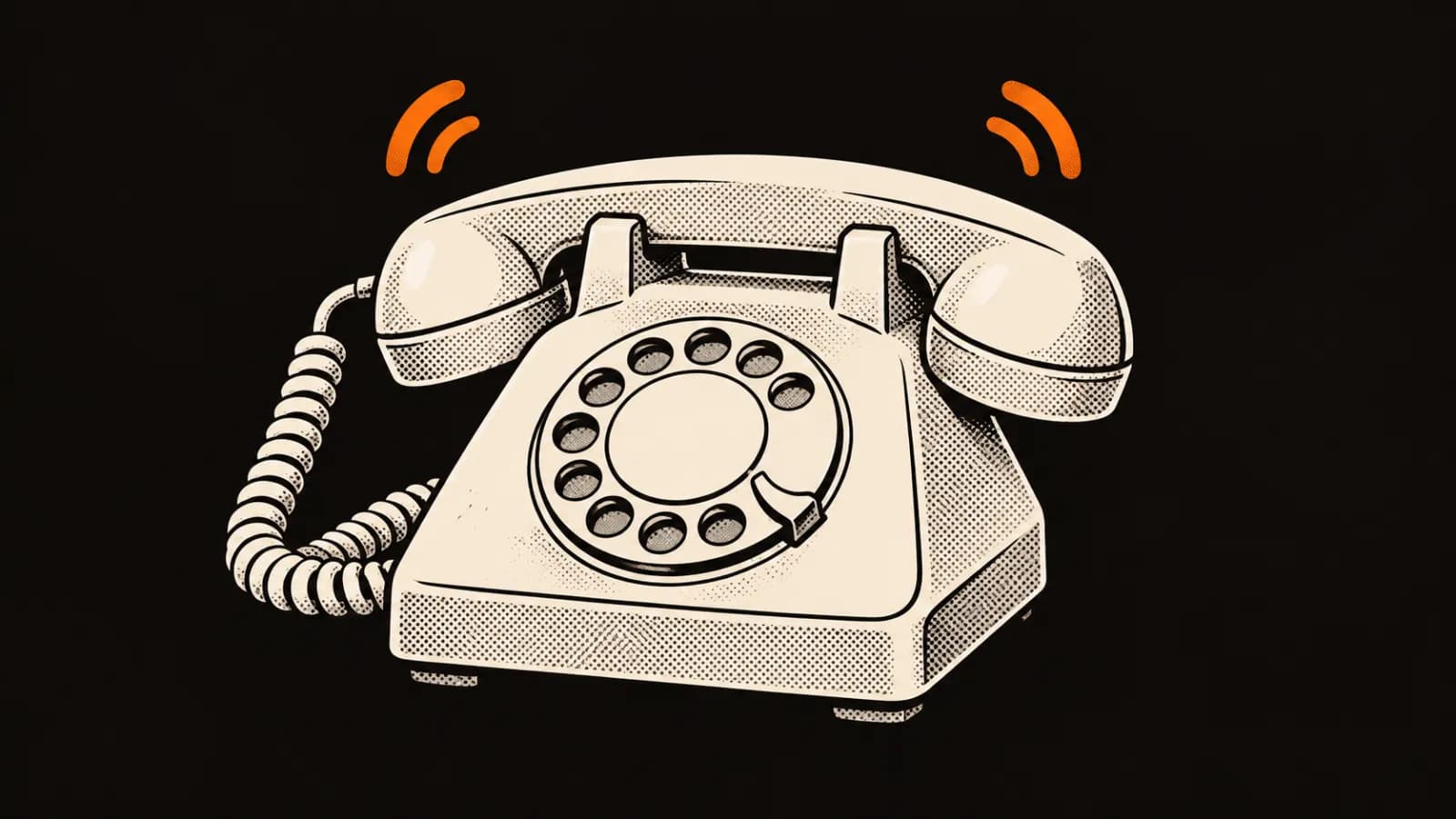
What it's like. Think of an urge as a phone ringing. You can let it ring without picking up. You practise that, and you work out what matters to you so you can take small steps toward it.
Who it suits. People who are worn out from fighting their urges head-on.
Want to try the idea first? Urge surfing uses the same move: you watch an urge rise and fall without acting on it.
CBT for Porn Addiction
What it is. CBT (cognitive behavioural therapy) helps you spot what leads you to porn: the places, the thoughts and the feelings. Then you practise doing something different.
What it's like. It's practical, like making a game plan with a coach. You map your triggers. You make an if-then plan for risky moments. You learn to catch thoughts like "just a quick look". And you plan what to do after a slip, so one slip doesn't turn into a binge. For a taste, try writing an if-then plan.
Who it suits. People who like structure, homework and clear goals. It's less of a fit if you mostly want to know where the habit came from.
The evidence. CBT has the biggest trial with a therapist, but that still means only a few small studies. In the clearest one, men who did group CBT improved more than men on a waiting list.4 A review that pooled 20 studies found big gains, but said the studies had serious flaws.5 Nobody knows yet how long the gains last.
Mindfulness-Based Relapse Prevention
What it is. An eight-week group course, called MBRP for short. It uses meditation to train you to notice an urge early and ride it out.
What it's like. You sit, breathe and notice what your body and mind are doing. The goal isn't an empty head. It's to catch the urge while it's still small.
Who it suits. People who are open to meditation. Groups for porn are rare, so you're more likely to learn these skills inside ACT or CBT, or practise on your own.
The evidence. One tiny study found that men said they watched less porn after the course.6 It had no comparison group, so we can't tell if the course caused the change.
If meditation ever leaves you panicky or detached, stop and tell your therapist.
Trauma-Focused Therapy (EMDR, IFS) and Psychodynamic Therapy
What it is. These therapies look at what sits under the habit: old wounds, shame, how you learned to connect with people, and the job porn does for you. EMDR and IFS are two therapies often used for trauma. Psychodynamic therapy looks at how your past shapes you now.
What it's like. Less homework, more talking about your past, your feelings and what porn does for you. It often takes longer.
Who it suits. People who want to understand why, and anyone with a trauma history.
The evidence. We found only one trial of a therapy like this for porn or sex problems: a group psychodynamic therapy. Men who got it improved more than men on medication alone, but half dropped out, so nobody can say yet if it works.7 We found no studies of EMDR or IFS for porn.8
CSAT vs. Sex Therapist: Which Kind of Specialist?
There are two main kinds of specialist, and they see the problem in different ways. Nobody has tested one against the other.9 So pick the one that matches how you see your problem.
Certified sex addiction therapist (CSAT)
- The addiction label
- Sees it as an addiction.
- Focus
- Usually to stop certain behaviours. They often suggest a 12-step group too, and many also help partners.10
- Choose one if
- the addiction frame fits you, you want a clear goal of stopping, or you want therapy that works alongside SAA or SA.
Certified sex therapist (such as those certified by AASECT)
- The addiction label
- Often wary of calling it an addiction.
- Focus
- Your values, consent and a healthy sex life. They don't assume you have to quit everything.11
- Choose one if
- you're not sure it's addiction, guilt or religious conflict is a big part of it, or erections, desire or your sex life with a partner are the main worry.
What the WHO says. Its closest diagnosis is compulsive sexual behaviour disorder, which it lists as a problem with self-control, not as an addiction. A high sex drive alone doesn't count. Neither does feeling bad only because your beliefs say it's wrong.12
Why this matters to you. People whose porn use clashes with their values tend to feel more addicted.13 That doesn't make the struggle fake. But "I can't stop" and "I hate that I do this" need different help, and a good specialist will help you tell them apart.
Where we stand: QbH uses the word "addiction" because that's how most of our readers experience it. We don't think the word settles the science.
Couples Therapy: When a Partner Finds Out
What it is. If a partner has found out about your porn use, you now have two problems: your recovery and their hurt. Couples therapy works on the second one.
What helps. A couples therapist who has worked with sexual betrayal. Your own support for the porn itself. And support for your partner in their own right (see partner groups). Many CSATs and sex therapists also see couples.
The evidence. We found no trials of couples therapy for this.14 So choose a therapist by experience and fit.
Trying to quit while you stay together? Read How to quit porn while you're in a relationship.
Medication for Porn Addiction: Naltrexone, SSRIs and What the Evidence Says
No medicine is approved for porn addiction. Some doctors prescribe medicines "off-label", which means for a use they aren't licensed for. The main ones are naltrexone and SSRI antidepressants.
The research is thin. A 2024 review found only 13 small studies, with 141 people in total.15 Experts say to try therapy first, and to let a specialist decide about medicine.16
Talk to a doctor. Don't buy pills online or take someone else's.
See a doctor first anyway if:
- you have erection problems, to rule out a physical cause (see erectile dysfunction in young men)
- you have depression or anxiety
- you might have ADHD
- you take a medicine that might affect your sex drive or self-control.
Say plainly what you're struggling with. Doctors hear this more often than you'd think.
Naltrexone for Porn Addiction
What it is. A medicine that helps people who have quit drinking or opioids stay quit.17 It isn't licensed for porn.
The evidence. Two small trials have tested it for this. In one, it and an SSRI antidepressant both beat a dummy pill when doctors rated the men, but not when the men rated themselves.18 In the other, it did no better than an antidepressant, and there was no dummy pill to compare with.19
Be careful. You need a prescription. It has side effects and can clash with other medicines, so a prescriber has to check. Please don't order it online or take someone else's.
GLP-1 Drugs (Ozempic, Wegovy, Mounjaro)
These popular weight-loss shots seem to cut cravings for alcohol, and early trials in heavy drinkers look good.20 But nobody has tested them for porn or sex addiction. One well-known doctor says they may make porn use worse, but that rests on a few Reddit posts about higher sex drive.21 For now, nobody knows if they help, hurt or do nothing for porn.22
Be careful. You need a prescription. They often cause nausea and an upset stomach, and rare side effects can be serious. They are not approved for porn or sex addiction. Never buy them online without a doctor.23
Porn Addiction Support Groups: SAA, SA, SLAA, PAA, SMART and More
The main free options are the 12-step fellowships (SAA, SA, SLAA, SCA and Porn Addicts Anonymous) and secular SMART Recovery, and most meet online or by phone every day. Christian Celebrate Recovery meets weekly in churches and online; ask the group about cost. They differ most on how they define sobriety and how much religious language they use.
The fellowships here are free to join. What differs is the rulebook. The table also includes two online peer communities, a paid online course (Recovery Nation) and two groups for partners, each labelled as such. The table shows how each one defines sobriety, its religious or spiritual framing, how you can attend, and where to find a meeting. We took every detail from each group's own website or official documents in October 2026, and we link to the page we used. (Two sites block automated checks, so for SLAA and COSA we used their official PDFs and archived copies of their own pages.) Rules and meeting formats change, so check the official site before your first meeting. You can print this table.
| Group | Sobriety means | How you can attend | Cost | Good fit if | Watch out for | Find a meeting |
|---|---|---|---|---|---|---|
| Fellowships and mutual-aid groups | ||||||
| Sex Addicts Anonymous (SAA)12-step fellowship | Sobriety meansEach member defines their own abstinence, usually with a sponsor, using the Three Circles: an inner circle of behaviours to stop, a middle circle of behaviours that may lead there, and an outer circle of healthy ones. "The fellowship does not dictate to its members what is and isn't addictive sexual behavior." | How you can attend
| CostFree. No dues or fees; voluntary contributions. | Good fit ifYou want a 12-step group but want to set your own bottom lines. Welcomes any sexual orientation or gender identity; has women's and LGBTQ+ sections. The meeting finder has a "Porn" tag. | Watch out forSpiritual language and the addiction identity aren't for everyone. | Find a meetingFind a meeting for Sex Addicts Anonymous (opens in a new tab) |
Full details and sources: Sex Addicts Anonymous (SAA)
| ||||||
| Sexaholics Anonymous (SA)12-step fellowship | Sobriety meansFixed and strict. Married members: "no form of sex with self or with persons other than the spouse", with spouse defined as "one's partner in a marriage between a man and a woman." Single members: "freedom from sex of any kind." For all: "progressive victory over lust." | How you can attend
| CostFree. No dues or fees. | Good fit ifYou want one clear, strict line and share SA's view of sex and marriage. | Watch out forMasturbation counts against sobriety, and same-sex partners don't count as a spouse under SA's definition. Meetings that don't follow this definition aren't SA meetings. Adults only. | Find a meetingFind a meeting for Sexaholics Anonymous (opens in a new tab) |
Full details and sources: Sexaholics Anonymous (SA)
| ||||||
| Sex and Love Addicts Anonymous (SLAA)12-step fellowship | Sobriety meansMembers set personal "bottom-line" behaviours; "as long as you do not engage in these bottom line behaviors, you are sober." | How you can attend
| CostFree. No dues, fees or registration. | Good fit ifYour pattern includes compulsive relationships, romance or fantasy as well as porn. Open to all genders and orientations. | Watch out forBroader focus than porn alone; meetings can centre on relationships. | Find a meetingFind a meeting for Sex and Love Addicts Anonymous (opens in a new tab) |
Full details and sources: Sex and Love Addicts Anonymous (SLAA)
| ||||||
| Porn Addicts Anonymous (also Pornography Addicts Anonymous) (PAA)12-step fellowship | Sobriety meansNo formal definition published. "Our program requires that we stop viewing pornography"; membership needs "a desire to stop using pornography in all of its forms." No published rule on masturbation or fantasy. | How you can attend
| CostFree. No fees or dues. | Good fit ifYou want a room where everyone is there for porn specifically. | Watch out forNewer, with less literature than SAA or SA and possibly fewer meetings. Check the calendar. | Find a meetingFind a meeting for Porn Addicts Anonymous (also Pornography Addicts Anonymous) (opens in a new tab) |
Full details and sources: Porn Addicts Anonymous (also Pornography Addicts Anonymous) (PAA)
| ||||||
| Sexual Compulsives Anonymous (SCA)12-step fellowship | Sobriety meansMembers write a personal sexual recovery plan and "define sexual sobriety for themselves." | How you can attend
| CostFree. No dues or fees. | Good fit ifYou want a group that describes itself as "inclusive of all sexual orientations" and lets you define sobriety yourself. | Watch out forFewer meetings outside large cities; online and phone fill the gap. | Find a meetingFind a meeting for Sexual Compulsives Anonymous (opens in a new tab) |
Full details and sources: Sexual Compulsives Anonymous (SCA)
| ||||||
| SMART Recovery (SMART)Secular mutual aid | Sobriety meansNo sobriety definition or steps. Members set their own goals and use tools for motivation, urges, thoughts and balanced living. | How you can attend
| CostFree. | Good fit ifYou want a group without a Higher Power, steps or a lifelong addict label. | Watch out forMeetings are mixed (alcohol, gambling, sex and more). We couldn't confirm any current porn-only SMART meeting. The UK site doesn't name sex or porn. | Find a meetingFind a meeting for SMART Recovery (opens in a new tab) |
Full details and sources: SMART Recovery (SMART)
| ||||||
| Celebrate Recovery (CR)Faith-based group | Sobriety meansNo separate sobriety definition; recovery from "hurts, hang-ups and habits through a relationship with Jesus Christ." | How you can attend
| CostNot stated on the site; ask the group. | Good fit ifFaith is central to you and you'd like recovery to happen inside a church community. | Watch out forExplicitly Christian. Groups cover many issues, not porn alone. Online is one weekly meeting. | Find a meetingFind a group for Celebrate Recovery (opens in a new tab) |
Full details and sources: Celebrate Recovery (CR)
| ||||||
| Not fellowships: an online course and peer communities | ||||||
| Recovery NationPaid online course, not a fellowship | Sobriety meansNot a fellowship. A self-paced workshop of 70+ lessons in five stages, for sex, love and porn addiction and for partners. | How you can attend
| CostPaid monthly membership (the site lists $47 a month; another page shows $15 a month per workshop). Scholarships available. | Good fit ifYou want a long, structured self-guided course written for sex and porn addiction. | Watch out forNo longer free, and the site shows two different prices; check before paying. | Find a meetingNo meetings: it's a course |
Full details and sources: Recovery Nation
| ||||||
| r/pornfreeOnline peer community, not a fellowship | Sobriety meansNot a fellowship. Focus is porn; the community description doesn't mention masturbation. | How you can attend
| CostFree. | Good fit ifYou want anonymous company at any hour. | Watch out forPeer advice, not treatment; quality varies and nobody is trained for a crisis. | Find a meetingVisit the community for r/pornfree (opens in a new tab) |
Full details and sources: r/pornfree
| ||||||
| NoFap forum and r/NoFapOnline peer community, not a fellowship | Sobriety meansNot a fellowship. Members choose a mode, from porn-free only to no porn, masturbation or orgasm. NoFap says it is not "anti-porn" or "anti-masturbation". | How you can attend
| CostFree. | Good fit ifYou want a large community (about 374,000 registered forum members) and a challenge format. | Watch out forStreak culture suits some people and turns slips into shame spirals for others. Peer advice, not treatment. | Find a meetingVisit the community for NoFap forum and r/NoFap (opens in a new tab) |
Full details and sources: NoFap forum and r/NoFap
| ||||||
| For partners and family | ||||||
| S-AnonFor partners and family | Sobriety meansFor partners, relatives and friends of people with a sex addiction, not for the person using porn. | How you can attend
| CostFree. | Good fit ifYour partner or family member has a porn or sex addiction and you need support of your own. | Watch out forIt's for the partner, not the couple. | Find a meetingFind a meeting for S-Anon (opens in a new tab) |
Full details and sources: S-Anon
| ||||||
| COSAFor partners and family | Sobriety meansFor anyone whose life has been affected by someone else's compulsive sexual behaviour. | How you can attend
| CostFree. | Good fit ifSame as S-Anon; some partners try both and pick the meetings that suit them. | Watch out forIt's for the partner, not the couple. | Find a meetingFind a meeting for COSA (opens in a new tab) |
Full details and sources: COSA
| ||||||
What the evidence says about groups, in one paragraph: there are no controlled trials of any sex or porn fellowship. Across 12-step groups other than AA (including some for sexual behaviour), people who attend and engage more tend to report fewer symptoms, but that's a correlation, not proof the group caused it (Leurent et al., 2024 (opens in a new tab)). In 80 Polish SA members, deeper involvement went with higher life satisfaction (Wnuk & Charzyńska, 2022 (opens in a new tab)). For alcohol, there's strong evidence that structured 12-step programs help people stay abstinent (Kelly et al., 2020 (opens in a new tab)), but alcohol isn't porn.
SAA vs SA: What's the Difference?
Both are free 12-step fellowships. The big difference is sobriety. In SA (Sexaholics Anonymous), sobriety means no sex with yourself and no sex outside a marriage between a man and a woman. In SAA (Sex Addicts Anonymous), each member defines their own abstinence with a sponsor. SA gives you a fixed line; SAA lets you draw your own.
SA's official definition: for married members, "no form of sex with self or with persons other than the spouse", where spouse means "one's partner in a marriage between a man and a woman". For single members, "freedom from sex of any kind". For everyone, "progressive victory over lust" (sa.org (opens in a new tab)). Meetings that don't follow this aren't SA meetings.
SAA's approach: "the fellowship does not dictate to its members what is and isn't addictive sexual behavior". Members use the Three Circles: an inner circle of behaviours to stop, a middle circle of behaviours that may lead there, and an outer circle of healthy ones (saa-recovery.org (opens in a new tab)).
Which fits: SA suits you if you want a clear, strict rule and share its view of sex. SAA (or SLAA or SCA) suits you better if you're gay or bisexual, single and dating, in an unmarried or same-sex relationship you want to keep sexual, or you want to stop porn without signing up to a rule about all sex. Neither fellowship publishes an official comparison with the other.
Sex Addicts Anonymous (SAA)
SAA was founded in Minneapolis in 1977. It's a 12-step fellowship that uses the word "God" but says it "is not affiliated with any religion, creed, or dogma", and welcomes atheists and agnostics. Meetings are free, and you can attend in person, online or by phone. The meeting finder (opens in a new tab) has a filter for meeting type and a "Porn" tag. SAA explicitly welcomes members of any sexual orientation or gender identity, and has sections for women and LGBTQ+ members.
Porn Addicts Anonymous (PAA)
Porn Addicts Anonymous (its site also uses the name Pornography Addicts Anonymous) is a newer 12-step fellowship for porn only. To join you need "a desire to stop using pornography in all of its forms." Meetings run by phone, Zoom, Discord and in person, with no fees.
PAA describes itself as "a relatively new fellowship" and doesn't publish a founding year. It doesn't publish a formal rule on masturbation or fantasy, so ask at a meeting how members handle that. For partners and family, it points to S-Anon, CoDA and COSA. Meeting calendar (opens in a new tab).
SLAA and SCA
Sex and Love Addicts Anonymous (SLAA) started in 1976 and covers compulsive relationships and romance as well as sex and porn. Members set personal "bottom-line" behaviours; not doing them counts as sobriety. Meetings are in person, online and by phone, with no dues or fees. Meeting finder (opens in a new tab).
Sexual Compulsives Anonymous (SCA) grew out of meetings in New York in the early 1980s. Members write their own "sexual recovery plan" and "define sexual sobriety for themselves". SCA describes itself as "inclusive of all sexual orientations" and says members are "not here to repress" their sexuality. Meeting finder (opens in a new tab).
SMART Recovery for Porn Addiction
SMART Recovery is a free, secular alternative to 12-step groups, founded in the US in 1994. It uses practical CBT-style tools instead of steps, a Higher Power or a lifelong addict label. It covers "activity/process addictions", including sexual behaviour, but its meetings are general: we couldn't confirm any current porn-only SMART meeting.
The US site describes "inclusive language; no religious content" and "a scientific foundation, not a spiritual one" (smartrecovery.org (opens in a new tab)). Meetings are free, in person and online, led by trained facilitators (US meeting finder (opens in a new tab)). In the UK, SMART is also secular and free, though its UK site lists alcohol, drugs, gambling, food, shopping and internet use and doesn't name sex or porn (UK online meetings (opens in a new tab)).
In practice you'll be in a mixed meeting where people talk about alcohol, gambling or porn using the same tools. Some people find that freeing (less shame, less "sex talk"); others want a room where everyone shares their exact problem. SMART also has no published studies for porn or sex problems specifically. Its four-point program (motivation, coping with urges, managing thoughts and behaviour, balanced living) and its urge log are free to read on its site.
Celebrate Recovery and Faith-Based Groups
Celebrate Recovery is a Christian recovery program, founded in 1991 as a ministry of Saddleback Church, that meets in churches. It aims to help people find freedom from their "hurts, hang-ups and habits through a relationship with Jesus Christ", and sexual addiction is one of the reasons people attend.
Groups meet weekly in thousands of churches, and there's a weekly online meeting on Zoom. You don't need to register ahead. The site doesn't state a cost to attendees, so ask the group. Find a group (opens in a new tab).
If faith is central to you, a Christ-centred group can make recovery feel like part of your life rather than a separate project. If you'd rather keep faith out of it, or you're uneasy with a church setting, SMART Recovery (secular) or SAA (spiritual, but not tied to any religion) may suit you better. Some churches also run their own men's groups; ask who leads them and how.
r/pornfree, NoFap and Other Online Communities
r/pornfree and NoFap are online peer communities, not fellowships or treatment. They're free, anonymous and open at 3 a.m., which counts for a lot. Advice quality varies, and nobody there is trained to help if you're in a bad place.
- r/pornfree describes itself as a community "to help people of all ages overcome their addiction to porn." Its description names porn only.
- NoFap runs a forum (about 374,000 registered members) and a separate subreddit, r/NoFap. It says it's "not an 'anti-porn' nor 'anti-masturbation' website"; members choose a mode, from porn-free to no porn, masturbation or orgasm (nofap.com (opens in a new tab)).
- r/PornAddiction is another active subreddit.
What researchers found when they read 104 journals on one abstinence forum: members described cue-driven struggles to abstain and benefits they attributed to quitting, and the authors said only prospective studies could show whether quitting caused those changes (Fernandez et al., 2021 (opens in a new tab)).
Use these as one layer, not the whole plan. Read the rules before posting, take medical advice from a doctor rather than a thread, and if a community makes you feel worse after every slip, step back. In my experience, streak culture can turn one relapse into a shame spiral; I wrote about that in Why NoFap doesn't work.
Support for Partners: S-Anon and COSA
If someone you love has a porn or sex addiction, S-Anon and COSA are free 12-step groups for you, the partner, relative or friend, not for the person using porn. Both run phone and online meetings. Many partners also see a therapist of their own, separate from any couples work.
- S-Anon is "a worldwide fellowship of the relatives and friends of sexually addicted people", with phone and online meetings every day of the week (find a meeting (opens in a new tab)).
- COSA describes itself as "a confidential, peer-led recovery fellowship for people whose lives have been affected by compulsive sexual behavior". It uses the Twelve Steps, has no dues or fees, and runs online and phone meetings (find a meeting (opens in a new tab)).
If you're the one using porn, passing these links on is fine. Making your partner's recovery your project isn't.
Free Porn Addiction Help
You can start tonight without spending anything. The free options are 12-step meetings (SAA, SA, SLAA, PAA, SCA), SMART Recovery meetings, student or workplace counselling, your doctor if you're covered, free online programs, and your phone's built-in content filter. Pick one and start this week.
- Meetings, tonight. Every fellowship in the table above runs free online or phone meetings. You can listen without speaking.
- Student counselling. If you're at college or university, the counselling service is usually free for students. Counsellors there see this regularly, and it's confidential.
- Your job's Employee Assistance Programme (EAP). Many employers offer a few free, confidential counselling sessions. Your HR intranet will say.
- Your doctor or GP. In the UK an NHS GP appointment is free. In England you can also refer yourself to NHS Talking Therapies, free, if anxiety or depression is part of it (NHS (opens in a new tab)).
- Low-cost therapy. In the US, Open Path Collective (opens in a new tab) therapists charge $40 to $70 a session after a one-time $65 membership fee. Not free, but a fraction of the usual rate. It's for people whose household income is under $100,000 and who don't have adequate mental-health insurance.
- Free self-guided help. QbH's free No More Relapse course (email sign-up; disclosure: it's ours), and the urge-surfing exercise.
- Your phone's own filter. iPhone's Screen Time content restrictions include a "Limit Adult Websites" setting. It's free and takes two minutes.
Doing It Yourself: Programs, Books, Apps, Blockers and Coaching
Self-guided options are private, cheap and available tonight. Their weakness is follow-through: in trials of online self-help for porn, most people dropped out. Use them with a plan and, ideally, one human who knows what you're doing. Pick one resource, finish it, then review after six weeks.
Programs and books. In a randomized feasibility trial of one online self-help program for porn, Hands-off, people who finished it improved, but 89% of the people assigned to it dropped out of the study (against 45% on the waitlist), so the results can't be trusted for everyone who starts (Bőthe et al., 2021 (opens in a new tab)). An online "imaginal retraining" video helped people who stuck with it, but not across everyone assigned, though quality of life did improve (Baumeister et al., 2024 (opens in a new tab)). A 2026 review of CBT-style programs found high dropout in self-guided versions (Zwielewski et al., 2026 (opens in a new tab)).
For books, pick one built on an approach with some evidence, such as ACT (Russ Harris's The Happiness Trap is a general, non-porn introduction), and finish it before buying another. Recovery Nation, a long-running online workshop for sex and porn addiction (70+ lessons), is still active but now charges a monthly membership, with scholarships available.
Blocking and accountability software. There are two main types. Filters and blockers stop explicit content loading on your devices. Accountability apps send a report of your activity to someone you choose. Both put friction between an urge and a click. That pause helps if you've already decided to stop, but it won't make that decision for you. They don't touch why you want to click, and anyone determined can get around them.
Several of the best-known accountability apps are explicitly Christian: Covenant Eyes, for example, markets itself as a quit-porn app for Christians, and its name comes from a Bible verse. That suits some people well and puts others off. Your phone's built-in restrictions are free and a reasonable first layer. We don't recommend a specific vendor.
There are no trials of porn blockers. The closest evidence is a trial where people blocked all mobile internet on their phones for two weeks and reported better mental health and well-being, and did better on an attention test. That's a different intervention (Castelo et al., 2025 (opens in a new tab)).
Quit-porn apps. Apps bundle streak counters, urge tools, journaling and community feeds. Some people find the structure useful. We found no published trial of a consumer quit-porn app; the nearest research tests web-based self-help, where most people dropped out. A German trial plans to test an app as one part of a therapy program, with no results yet (Stark et al., 2024 (opens in a new tab)). Before you pay, read the privacy policy, check whether you can delete your data, and know how to cancel. You're handing over some of the most sensitive data you have.
Coaching. A recovery coach gives you accountability and a plan, one to one, usually on video. Coaching isn't regulated the way therapy is, and coaches can't diagnose or treat depression, trauma or other mental health conditions. Ask about training, cost and what they do if you need a therapist. (Shane is a coach. See the author note.)
My experience with streaks and forums. I spent years counting days, and it didn't work for me. I've written about why in Why NoFap doesn't work. That's experience, not evidence. Plenty of people use streaks and forums as one useful layer. If you want more on handling urges in the moment, read How to stop porn urges.
Where Our Program Fits (and Where It Doesn't)
The QuitByHealing Program is a self-paced online course: 21 daily lessons that combine habit and trigger work with guided introspective writing ("shadow work") on what the urge is covering, plus a relaxation audio and a module on handling relapse. It costs $47 once, with lifetime access and a 30-day money-back guarantee.
The evidence, honestly: some of its parts resemble tested approaches. The trigger and habit work overlaps with CBT, and noticing urges without acting on them overlaps with ACT and mindfulness. The program itself has not been studied in a trial, and those overlaps don't prove it works.
It suits you if you want to start tonight, privately, for a low one-off cost, and you want both a daily plan and a way to understand why you use porn.
It's not the right first step if you're in crisis, you're dealing with depression, trauma or ADHD that needs treatment, a partner has just found out, or you want a live human to talk to. Start with the options above instead, and come back to it as an extra layer if you like.
Porn Addiction Treatment: Do You Need Rehab?
For most people, porn addiction treatment means outpatient therapy, often alongside a support group, not rehab. Residential and intensive programs exist, mostly within sex addiction treatment centres. They cost far more, there are no trials of them for porn, and they're usually only worth considering when sexual behaviour is part of a wider crisis.
If you're weighing rehab, ask your therapist or doctor whether you need that level of care, ask the centre what approach it uses and who delivers it, and get the full cost and insurance position in writing first. Weekly therapy plus a group is where nearly everyone should start.
Questions People Ask About Porn Addiction Help
What Is the Best Treatment for Porn Addiction?
No single treatment is proven best. ACT and CBT have the most trial evidence: a few small randomized trials and a 2025 meta-analysis showing large improvements, though with a high risk of bias. Free 12-step and SMART groups help many people but haven't been tested in trials. The best treatment is the one that fits your budget and privacy needs and that you'll actually start.
What Kind of Therapist Treats Porn Addiction?
Look for a licensed therapist who lists sex or porn addiction as a specialty. There are two main kinds of specialist. Certified sex addiction therapists (CSATs, trained through IITAP) treat it as an addiction, often alongside 12-step groups. Certified sex therapists (such as those certified by AASECT) focus on sexual health and don't assume the addiction label. A general therapist who uses ACT or CBT is also a good option.
Does CBT Work for Porn Addiction?
CBT and ACT are the two best-tested approaches, though the evidence is still thin. In the main trial, 137 men with hypersexual disorder improved more after seven weeks of group CBT than men on a waitlist, but long-term effects were unclear. Reviews call CBT-based treatment promising and rate the certainty low. CBT teaches you to spot triggers and respond differently, and it suits people who like structure.
Is There Medication for Porn Addiction?
No medication is FDA-approved for porn addiction or compulsive sexual behaviour. Some doctors prescribe off-label, mainly naltrexone or SSRI antidepressants. A 2024 review found just 13 studies with 141 people in total, and guidelines put therapy first. If you're curious, talk to a doctor or psychiatrist. Don't order medication online or take someone else's prescription.
Does Naltrexone Work for Porn Addiction?
Possibly for some people, but the evidence is small. In a 20-week trial of 73 men, naltrexone and paroxetine beat placebo on clinician interviews but not on questionnaires. A 2026 open-label trial of 80 people found naltrexone no better than fluoxetine. Naltrexone is approved for alcohol and opioid dependence, not porn, and it needs a prescriber to check side effects and interactions.
What's the Difference Between SAA and SA?
Both are free 12-step fellowships, but they define sobriety differently. SA (Sexaholics Anonymous) means no sex with yourself and no sex outside a marriage between a man and a woman. SAA (Sex Addicts Anonymous) lets each member define their own abstinence with a sponsor, using the Three Circles. If you want one strict rule, SA gives you that. If you want to set your own lines, try SAA.
Is There a Porn Addicts Anonymous?
Yes. Porn Addicts Anonymous (PAA), which also uses the name Pornography Addicts Anonymous, is a newer 12-step fellowship focused only on porn. Membership requires a desire to stop using pornography in all its forms. It meets by phone, Zoom, Discord and in person, and there are no fees. As a newer fellowship it may have fewer meetings than SAA or SA, so check its calendar.
Is There Free Help for Porn Addiction?
Yes. 12-step groups (SAA, SA, SLAA, PAA, SCA) and SMART Recovery are free and run online meetings daily. Students can usually see their college counsellor for free, and many employers offer free sessions through an Employee Assistance Programme. Your phone's built-in adult-content filter is free too. For low-cost therapy in the US, Open Path Collective therapists charge $40 to $70 a session after a one-time membership fee, if your household income is under $100,000.
Do I Need Rehab for Porn Addiction?
Almost certainly not as a first step. Treatment for porn problems is usually outpatient therapy, often alongside a support group. Residential programs exist, cost far more and haven't been tested in trials for porn. They're mainly considered when sexual behaviour is part of a wider crisis. Ask a therapist or doctor whether you need that level of care before committing money.
Can I Quit Porn Without Therapy?
Many people do, using groups, self-guided programs, blockers or a combination. The catch is follow-through: in trials of online self-help, most people dropped out. Give self-help a real try with a plan and one person who knows what you're doing. If depression, trauma, ADHD or a relationship crisis is involved, or nothing has shifted after a couple of months, bring in a professional.
How We Graded the Evidence
- What counts. We graded each kind of help on studies in people with porn or compulsive sexual behaviour problems. Evidence from other conditions (alcohol, drugs, PTSD) is mentioned where useful but never raises a grade.
- Where we looked. QuitByHealing's research library of 99 screened sources, two systematic reviews of porn and compulsive sexual behaviour treatment (Antons et al., 2022 (opens in a new tab); Roza et al., 2024 (opens in a new tab)), a 2024 medication review, a 2026 scoping review of CBT programs, and targeted PubMed searches in October 2026.
- The four grades. Some trial evidence: at least one randomized trial in the target population. Limited: only uncontrolled pilots, trials with serious problems (heavy dropout, a null main result), or a small mixed evidence base. Not studied for this: no controlled studies in this population. Anecdotal or untested: only personal accounts.
- What the grades don't mean. "Some trial evidence" is still low certainty: the trials are small, mostly male, mostly compared with a waitlist, and short. "Not studied" doesn't mean useless. It means nobody has tested it properly yet.
- Same rules for us. Our own program is graded by the same rules as the quit-porn apps it most resembles, and comes out "Anecdotal or untested".
- Why medication is "Limited". Its only placebo-controlled trial was positive on clinicians' ratings but not on participants' own reports, the newer trial had no placebo group, and the 2024 review judged the case for medication limited.
- Group details come from each group's own website or official documents, linked in each row and checked in October 2026.
- Costs are ranges with a linked source, not quotes. Check with the provider.
- Money. We don't earn commissions from anything on this page except our own program.
- Review cycle. We re-check every row at least once a year, and sooner if a major study is published. Spot an error? Tell us.
Notes
The detail behind the numbered notes on this page: what each study did, its caveats, and its sources.
Notes and sources (24)
Therapy
- Back to text
Therapists' listed cash rates (the price if you pay yourself) average about $143 a session, from a study of more than 175,000 US providers. That's the listed price, before any sliding scale or insurance.
- Back to text
In the main trial, 28 men got 12 sessions of ACT or waited. Viewing dropped 93% in the ACT group against 21% on the waitlist, and at three months 35% of the treated men had stopped completely. Almost all the men were members of the Church of Jesus Christ of Latter-day Saints, viewing was self-reported, and follow-up was short, so treat the numbers as a signal, not a promise. An earlier six-man study found the same direction.
Sources: Crosby & Twohig, 2016 (opens in a new tab); Twohig & Crosby, 2010 (opens in a new tab)
- Back to text
Over time, ACT and CBT came out about the same in this 2024 review. Against CBT specifically, ACT was ahead at the end of treatment (27% vs 16% abstinent, 5 trials), but the gap didn't hold at later check-ups. The review looked at 28 studies (9,925 people) comparing ACT with other active treatments for addiction, and pooled 22 of them. Most (61%) were about smoking; the rest covered alcohol and drugs, and none covered porn or gambling. Against all the other treatments together, people in ACT were more likely to be abstinent at the end of treatment and up to 6 months later, but not after 6 months. Several of the "CBT" comparisons were self-help websites or apps, not a therapist, and most studies had some risk of bias. One big trial of 2,415 smokers found an ACT app helped more people quit at 12 months than a standard government app. A slightly bigger trial of two websites, with 2,637 smokers, found no difference. For porn, no study has tested ACT against CBT directly, and a 2025 meta-analysis found no difference between them.
Sources: Krotter et al., 2024 (opens in a new tab); Bricker et al., 2020 (opens in a new tab); Bricker et al., 2018 (opens in a new tab); López-Pinar et al., 2025 (opens in a new tab)
- Back to text
In the main trial, 137 Swedish men diagnosed with hypersexual disorder got seven weeks of group CBT or went on a waitlist. The CBT group's symptoms dropped more, and their general mental health improved. The authors note that long-term effects are unclear because few people answered the follow-up questionnaires. An online CBT version reduced symptoms in a 36-man pilot with no comparison group.
Sources: Hallberg et al., 2019 (opens in a new tab); Hallberg et al., 2020 (opens in a new tab)
- Back to text
A 2025 meta-analysis of 20 studies (2,021 people), mostly CBT and ACT, found large improvements compared with control groups, but rated the studies at high risk of bias. It found no difference between ACT and CBT. An earlier review called CBT-containing treatment promising and the studies too varied for firm conclusions.
Sources: López-Pinar et al., 2025 (opens in a new tab); Antons et al., 2022 (opens in a new tab)
- Back to text
The only study for porn or sex problems is a pilot of 13 men diagnosed with compulsive sexual behaviour disorder, with no comparison group. After the course they reported less time on problematic porn, and less anxiety and depression. MBRP has a stronger record for drug and alcohol relapse, but that doesn't automatically carry over to porn.
Sources: Holas et al., 2020 (opens in a new tab); Bowen et al., 2014 (opens in a new tab)
- Back to text
In that trial, 135 men in Brazil got short-term psychodynamic group therapy followed by a relapse-prevention group, medication, or both. Men who got the therapy improved more than men on medication alone. But half dropped out by the end, there was no untreated comparison group, and the authors say the limitations preclude conclusions on efficacy.
- Back to text
We found no trials, pilots or case reports of EMDR or IFS for porn or sexual behaviour. Studies find a link between childhood sexual abuse and compulsive sexual behaviour, but a group-level link can't tell you whether trauma drives your habit. An online IFS group program for PTSD did no better than an active comparison treatment; both groups improved. That study was about PTSD, not porn.
Sources: Slavin et al., 2020 (opens in a new tab); Joss et al., 2026 (opens in a new tab)
- Back to text
The two approaches have never been tested head to head. We found no controlled trial of the CSAT approach as a package, and no controlled trials of sex therapy for porn problems. CSATs often use methods that have some evidence elsewhere, such as CBT and 12-step facilitation.
Sources: Antons et al., 2022 (opens in a new tab); Roza et al., 2024 (opens in a new tab)
- Back to text
CSAT stands for Certified Sex Addiction Therapist, a credential from IITAP with a curriculum developed by Dr. Patrick Carnes. CSATs are licensed therapists with extra training in compulsive sexual behaviour. They usually work toward stopping specific problem behaviours, often recommend a 12-step fellowship, and many also work with betrayed partners.
Sources: IITAP, CSAT programme (opens in a new tab); IITAP, archived copy (Sept 2025) (opens in a new tab)
- Back to text
AASECT (the American Association of Sexuality Educators, Counselors and Therapists) says it "does not find sufficient empirical evidence to support the classification of sex addiction or porn addiction as a mental health disorder". Some sex therapists use the term "out of control sexual behaviour", from Douglas Braun-Harvey and Michael Vigorito's book Treating Out of Control Sexual Behavior: Rethinking Sex Addiction. The focus is on your values, consent and sexual health, and abstinence isn't assumed to be the goal.
Sources: AASECT (opens in a new tab); Springer Publishing (opens in a new tab)
- Back to text
The ICD-11 includes compulsive sexual behaviour disorder, classed as an impulse-control disorder rather than with the addictions. It says high sex drive alone doesn't qualify, and neither does distress that comes entirely from moral disapproval of your own behaviour. An international sexual-medicine panel warns clinicians against pathologising high desire or non-heteronormative sex by default.
Sources: Kraus et al., 2018 (opens in a new tab); Briken et al., 2024 (opens in a new tab)
- Back to text
Research finds that people whose porn use clashes with their values tend to feel more addicted. Researchers call this moral incongruence.
- Back to text
We found no controlled trials of couples therapy for porn-related relationship problems, and the recent treatment reviews we checked include none.
Sources: Roza et al., 2024 (opens in a new tab); López-Pinar et al., 2025 (opens in a new tab)
Medication
- Back to text
A 2024 review found 13 studies with 141 people in total. It judged naltrexone the most promising, with a mixed signal against placebo, and the authors suggested keeping medication mostly within clinical trials for now.
- Back to text
The World Federation of Societies of Biological Psychiatry recommends psychotherapy and education first, notes that no medication has a formal indication for this, and leaves medication choices to specialists depending on severity and other conditions. Researchers writing in 2022 put it bluntly: clinicians have "limited evidence and no FDA-approved drugs" for this condition.
Sources: Turner et al., 2022 (opens in a new tab); Blum & Grant, 2022 (opens in a new tab)
- Back to text
Naltrexone is an opiate antagonist. Its approved use is helping people who have stopped drinking or using opioids stay stopped, not porn.
Source: MedlinePlus (opens in a new tab)
- Back to text
In a 20-week trial of 73 men, naltrexone and the antidepressant paroxetine both beat placebo on clinician interviews, but not on the men's own questionnaires.
- Back to text
In a 2026 open-label trial of 80 people (everyone knew which drug they were taking), naltrexone was no better than the antidepressant fluoxetine, and there was no placebo group. Beyond the two trials, the evidence is case reports and small open studies.
- Back to text
In the biggest semaglutide trial so far, 108 adults with alcohol use disorder and obesity took weekly semaglutide (the full weight-loss dose) or placebo for 26 weeks, alongside CBT. Heavy-drinking days fell by 41 percentage points on semaglutide and 26 on placebo. A 9-week low-dose trial in 48 adults cut how much people drank on drinking days, and their cravings, but not how often they drank. An 8-week trial of the pill form in 50 adults cut heavy-drinking days but not lab-measured craving. An earlier exenatide trial in 127 people missed its main goal, though an extra analysis hinted it may have helped those with obesity. Very large health-record studies link GLP-1 drugs to fewer alcohol, cannabis, nicotine and opioid problems, but they can't show the drug caused it. The likely reason: GLP-1 receptors sit in the brain's reward circuit, and the drugs seem to blunt the dopamine "hit" from rewards like alcohol. None of these studies looked at porn.
Sources: Klausen et al., 2026 (opens in a new tab); Hendershot et al., 2025 (opens in a new tab); Schacht et al., 2026 (opens in a new tab); Klausen et al., 2022, JCI Insight (opens in a new tab); Cai et al., 2026 (opens in a new tab); Klausen et al., 2022, Br J Pharmacol (opens in a new tab)
- Back to text
Psychiatrist Alok Kanojia (Dr. K) said GLP-1s "may actually enhance pornography usage" in his HealthyGamerGG video "We Need To Talk About Ozempic" (1 August 2026, at 5:42). The study he describes there, an AI-assisted analysis of Reddit posts, matches Arillotta et al. (2024). Of 37 Reddit comments about sex drive in that study, 6 said it went up and 2 said it went down; people credited weight loss and feeling better about their bodies. The paper's main text never mentions porn, and a higher sex drive is not the same as more porn use. Evidence on sex drive points both ways. The only test against a dummy drug found no change in sexual desire when 24 healthy men took dulaglutide for 4 weeks. In male mice, GLP-1 drugs reduce sexual behaviour. Some users report lower libido or erection problems. In one case report, a man whose Parkinson's medication caused hypersexual thoughts and compulsive spending saw them stop on semaglutide and come back when he ran out.
Sources: HealthyGamerGG video, 2026 (opens in a new tab); Arillotta et al., 2024 (opens in a new tab); Lengsfeld et al., 2024 (opens in a new tab); Vestlund & Jerlhag, 2020 (opens in a new tab); Merhi, 2026 (opens in a new tab); Kelly & Davis, 2026 (opens in a new tab)
- Back to text
Both directions are plausible. Blunting reward could ease porn cravings the way it seems to ease alcohol cravings. But losing weight can raise testosterone in men with obesity, which could lift sex drive for some. After weight-loss surgery, alcohol problems become more common from the second year (sometimes called "addiction transfer"), but health-record studies of GLP-1 drugs show the opposite pattern for alcohol. Neither has been studied for porn. Mounjaro and Zepbound (tirzepatide) act on GLP-1 and a second gut hormone, GIP; most addiction research so far is on semaglutide (Ozempic, Wegovy).
Sources: Jensterle et al., 2019 (opens in a new tab); King et al., 2012 (opens in a new tab); Scheen, 2025 (opens in a new tab)
- Back to text
Semaglutide is approved for type 2 diabetes, weight loss in some people, and some heart, kidney and liver conditions, not for addiction of any kind. Common side effects include nausea, vomiting, diarrhoea and stomach pain. The label carries a boxed warning about thyroid tumours seen in rats. The FDA has warned about dosing errors and hospitalisations with unapproved "compounded" and "research" versions sold online.
Sources: MedlinePlus, semaglutide (opens in a new tab); US FDA (opens in a new tab)
Support Groups
- Back to text
Research on porn-abstinence forums is small and mixed. Men keeping recovery journals on one forum said support from other members helped them stay off porn (Fernandez et al., 2021). But a study of NoFap-style forum posts found that the all-or-nothing "recovery and relapse" framing kept some members distressed (Chasioti & Binnie, 2021), and in one survey heavier forum use went with more depression, anxiety and erection problems, though it couldn't show which came first (Prause & Binnie, 2023). One likely reason streak counting can backfire: treating one slip as total failure, the "abstinence violation effect", is a well-known path from a lapse to a full relapse (Larimer et al., 1999). In a two-week porn-abstinence experiment, men who tried hard and still slipped rated themselves as more addicted (Fernandez et al., 2017), and in everyday habits people are less likely to keep going once a visible streak breaks (Silverman & Barasch, 2023).
Sources: Fernandez et al., 2021 (opens in a new tab); Chasioti & Binnie, 2021 (opens in a new tab); Prause & Binnie, 2023 (opens in a new tab); Larimer et al., 1999 (opens in a new tab); Fernandez et al., 2017 (opens in a new tab); Silverman & Barasch, 2023 (opens in a new tab)
Sources
The sources behind the comparison tables and group details, grouped by topic. Each note above lists its own sources.
Show all 46 sources
Treatment Trials and Reviews
- Crosby & Twohig, Acceptance and commitment therapy for problematic internet pornography use: a randomized trial, Behavior Therapy (2016) (opens in a new tab)
- Twohig & Crosby, ACT as a treatment for problematic internet pornography viewing, Behavior Therapy (2010) (opens in a new tab)
- López-Pinar, Esparza-Reig & Bőthe, Psychotherapy for problematic pornography use: a comprehensive meta-analysis, Journal of Behavioral Addictions (2025) (opens in a new tab)
- Hallberg et al., A randomized controlled study of group-administered CBT for hypersexual disorder in men, Journal of Sexual Medicine (2019) (opens in a new tab)
- Hallberg et al., Internet-administered CBT for hypersexual disorder in men: a pilot study, Journal of Sexual Medicine (2020) (opens in a new tab)
- Antons et al., Treatments and interventions for compulsive sexual behavior disorder with a focus on problematic pornography use: a preregistered systematic review, Journal of Behavioral Addictions (2022) (opens in a new tab)
- Roza et al., Treatment approaches for problematic pornography use: a systematic review, Archives of Sexual Behavior (2024) (opens in a new tab)
- Holas et al., A pilot study of mindfulness-based relapse prevention for compulsive sexual behaviour disorder, Journal of Behavioral Addictions (2020) (opens in a new tab)
- Bowen et al., Relative efficacy of mindfulness-based relapse prevention, standard relapse prevention, and treatment as usual for substance use disorders: a randomized clinical trial, JAMA Psychiatry (2014) (opens in a new tab)
- Scanavino et al., Treatment effects and adherence of sexually compulsive men in a randomized controlled trial of psychotherapy and medication, Journal of Behavioral Addictions (2023) (opens in a new tab)
- Slavin et al., Child sexual abuse and compulsive sexual behavior: a systematic literature review, Current Addiction Reports (2020) (opens in a new tab)
- Joss et al., A randomized controlled trial of an online group-based internal family systems treatment for PTSD (PARTS), Psychological Trauma (2026) (opens in a new tab)
- Borgogna et al., No magic pill: a systematic review of the pharmacological treatments for compulsive sexual behavior disorder, Journal of Sex Research (2024) (opens in a new tab)
- Lew-Starowicz et al., Tolerability and efficacy of paroxetine and naltrexone for treatment of compulsive sexual behaviour disorder, World Psychiatry (research letter) (2022) (opens in a new tab)
- Savard et al., Randomised controlled trial of fluoxetine versus naltrexone in compulsive sexual behaviour disorder, BMJ Mental Health (2026) (opens in a new tab)
- Leurent et al., Efficacy of 12-step mutual-help groups other than Alcoholics Anonymous: a systematic review and meta-analysis, European Archives of Psychiatry and Clinical Neuroscience (2024) (opens in a new tab)
- Wnuk & Charzyńska, Involvement in Sexaholics Anonymous and life satisfaction: the mediating role of meaning in life and hope, Journal of Behavioral Addictions (2022) (opens in a new tab)
- Kelly, Humphreys & Ferri, Alcoholics Anonymous and other 12-step programs for alcohol use disorder, Cochrane Review (2020) (opens in a new tab)
- Fernandez et al., The pornography "rebooting" experience: a qualitative analysis of abstinence journals on an online pornography abstinence forum, Archives of Sexual Behavior (2021) (opens in a new tab)
- Bőthe et al., Hands-off: feasibility and preliminary results of a two-armed randomized controlled trial of a web-based self-help tool to reduce problematic pornography use, Journal of Behavioral Addictions (2021) (opens in a new tab)
- Baumeister et al., Reducing problematic pornography use with imaginal retraining: a randomized controlled trial, Journal of Behavioral Addictions (2024) (opens in a new tab)
- Zwielewski et al., CBT-based interventions for problematic pornography use: a scoping review, Sexual Medicine Reviews (2026) (opens in a new tab)
- Castelo et al., Blocking mobile internet on smartphones improves sustained attention, mental health, and subjective well-being, PNAS Nexus (2025) (opens in a new tab)
- Stark et al., The PornLoS Treatment Program: study protocol of a new psychotherapeutic approach for treating pornography use disorder, Journal of Behavioral Addictions (2024) (opens in a new tab)
- Blum & Grant, N-acetylcysteine in the treatment of compulsive sexual behavior disorder: a case series, Journal of Psychiatric Research (2022) (opens in a new tab)
Diagnosis and Guidelines
- Briken et al., Assessment and treatment of compulsive sexual behavior disorder: a sexual medicine perspective, Sexual Medicine Reviews (2024) (opens in a new tab)
- Kraus et al., Compulsive sexual behaviour disorder in the ICD-11, World Psychiatry (2018) (opens in a new tab)
- Turner et al., WFSBP guidelines on the assessment and pharmacological treatment of compulsive sexual behaviour disorder, Dialogues in Clinical Neuroscience (2022) (opens in a new tab)
- Grubbs et al., Pornography problems due to moral incongruence: an integrative model with a systematic review and meta-analysis, Archives of Sexual Behavior (2019) (opens in a new tab)
- AASECT, Position on sex addiction (opens in a new tab)
- Braun-Harvey & Vigorito, Treating Out of Control Sexual Behavior: Rethinking Sex Addiction (Springer Publishing) (2015) (opens in a new tab)
Medication Information
Therapy Costs
Support Groups (Official Sites)
- Sex Addicts Anonymous (SAA), official site, checked 10 October 2026 (opens in a new tab)
- Sexaholics Anonymous (SA), official site, checked 10 October 2026 (opens in a new tab)
- Sex and Love Addicts Anonymous (SLAA), official site, checked 10 October 2026 (opens in a new tab)
- Porn Addicts Anonymous (also Pornography Addicts Anonymous) (PAA), official site, checked 10 October 2026 (opens in a new tab)
- Sexual Compulsives Anonymous (SCA), official site, checked 10 October 2026 (opens in a new tab)
- SMART Recovery (SMART), official site, checked 10 October 2026 (opens in a new tab)
- Celebrate Recovery (CR), official site, checked 10 October 2026 (opens in a new tab)
- Recovery Nation, official site, checked 10 October 2026 (opens in a new tab)
- r/pornfree, official site, checked 10 October 2026 (opens in a new tab)
- NoFap forum and r/NoFap, official site, checked 10 October 2026 (opens in a new tab)
- S-Anon, official site, checked 10 October 2026 (opens in a new tab)
- COSA, official site, checked 10 October 2026 (opens in a new tab)
About the Author
Shane Melaugh founded QuitByHealing after his own long struggle with porn. He coaches men and runs men's groups and retreats. He's not a doctor, therapist or researcher. The evidence grades on this page come from published studies, linked in every row, and the support-group details come from each group's own website. This page has not been reviewed by a clinician.
This page is information, not medical advice or a diagnosis. If you're struggling with your mental health, a doctor or licensed therapist can assess you properly. In a crisis, call or text 988 (US and Canada), call Samaritans on 116 123 (UK and Ireland), or find a local line at findahelpline.com.