How to Stop Porn Urges - The Full Toolkit to Never Relapse Again

The Two Categories of Urge Response
Before diving into specific tools, understand that all urge responses fall into two fundamentally different categories:
Category 1: Dissipate the Urge
Dissipating the urge involves engaging in activities to shift your body and mind away from the urge and your addiction. Consider these as wholesome replacement habits that will elevate your overall quality of life.
Category 2: Move Through the Urge
Moving through the urge involves sitting with the urge and all the ugly feelings it brings with it. This requires a warrior spirit but ultimately leads to the healing that is necessary to rid yourself of the addiction and with it all future urges.
Making a Choice
Once you have understood all your options, you can read the section on how to choose the best option for you.
Category 1: Dissipate
Dissipate means to "make disappear." The practices presented in this category are to help you reduce the severity of the urge by focussing on something else until the urge goes away entirely.
Let's establish immediately that there is a good and a bad way to do this. Broadly speaking, the options described are a form of "distraction" from your urge. This means you are not directly dealing with the underlying problem. But distraction does not always have to be a bad thing.
We want to ensure that what we distract ourselves with:
- Is a healthy source of dopamine
- Is a habit that leads to a better life
As a side effect of improving your quality of life, your self worth, self esteem and confidence will rise. This will make it easier to engage in "Moving Through The Urge" later.
BEWARE: Accidental Addiction Replacement!
We definitely don't want to replace one addiction with another. It is imperative that you understand that the practices and suggestions in the Dissipation Category are healthy habit replacements that have a net positive effect on your life!
🛑 STAY AWAY from junk dopamine sources:
Sources of junk dopamine will trap you back into a dopamine depletion cycle and/or relapse. Your urges will not go away. You may even develop strong new urges for a new addiction.
- Social Media
- Mobile Games
- Junk Food
- Other addictive stuff
If you're thinking "but I can't live without that," then this list of replacement habits is FOR YOU!
Movement
Movement is one of the most potent ways to boost brain health. Overcoming addiction is fundamentally about creating neurological change — and movement is a powerful catalyst for that.
Whether it's cardiovascular exercise, strength training, or mastering a new physical skill, getting your body moving is one of the fastest ways to shift your state and break the pull of an urge.
Burpees ⭐ (Recommended)
Jump high, drop down, do a clean pushup... Now do it again. And again. The first 10 are easy, but pretty soon Burpees escalate in difficulty. They basically put your whole system into survival mode, where your priorities shift from your urge to other needs. Quick, simple, works almost anywhere.
Browse 80+ movement-based skills →
Nervous System
When discussing the nervous system, we're referring to the ability to utilise techniques that transition you from a heightened, stressed state to a calm, relaxed state. The objective is to establish a buffer zone between your impulses and your capacity to make better choices.
Without this buffer, you're essentially at the mercy of your emotions.
Breath Work
Breathwork is a holistic practice that involves deliberate control and manipulation of your breath. There are many techniques like pranayama, Wim Hof Method, and Soma breathing.
Breathwork aims to reduce stress, enhance mental clarity, improve emotional well-being, and support physical health. Breathwork is excellent to create a state change, especially if you need it fast.
Focus on Long Exhales ⭐
This is very simple. Breathe in deep. Then breathe out very, very slowly. Extend your outward breath as long as you can. This is the fastest way to regulate and slow down your nervous system to give you a fighting chance against your urges.
Other Breathwork Options:
- Psychological Sigh
- 4,7,8 Method
- Soma / Wim Hof
Meditation
Meditation fosters mental clarity, emotional balance and stress reduction. By regularly practicing meditation, you can enhance your overall mental and emotional health, leading to a greater sense of peace and resilience in the face of life's challenges.
Mindfulness
Mindfulness meditation is a practice that involves non-judgmental awareness of the present moment, making it unique for its emphasis on observing thoughts and sensations without attachment or evaluation. Mindfulness can also be practiced during activities such as eating or driving.
Metta ⭐
Metta meditation, also known as loving-kindness meditation, is a practice that focuses on cultivating feelings of compassion, kindness, and goodwill towards oneself and others. It's unique for its emphasis on nurturing positive emotions and fostering a sense of universal love and connection.
Impermanence
Impermanence meditation, or anicca meditation, is a contemplative practice that centers on the universal truth of change and transience. "This too shall pass" is a powerful urge-killer.
Skill Building (GYST)
Skills are absolutely fundamental to building a full and meaningful life. They empower you to navigate challenges, achieve personal growth, and adapt to an ever-changing world.
Skill building encompasses hundreds of options across five key domains: Physical, Emotional, Mental, Social, and Financial Skills.
We've put together the most comprehensive skills list you'll find anywhere, covering 346 skills and practices across 25 categories — each one explained with why it works as a replacement habit.
Explore the Full Skills List → Filter by where you are, what you want to improve, and how much time you have.
Rest
Most people are unknowingly sleep-deprived, making it essential to recognise the critical importance of rest. Adequate sleep and relaxation not only rejuvenate the body but also sharpen the mind, enhance mood, and contribute to better overall health and well-being.
Bad Sleep = Bad Mood = Increased Likelihood of Strong Urges
Prioritise Sleep ⭐
If you're experiencing urges and suspect they may be linked to sleep deprivation, be sure to get an early night's rest.
Napping
A 20 minute catnap can boost cognitive function, enhance mood, and promote overall alertness and productivity, particularly when a full night's sleep is lacking.
Yoga Nidra
Yoga Nidra is a guided form of meditation and deep relaxation that promotes profound physical and mental rest, making it an effective technique for stress reduction.
Category 2: Move Through
Rather than attempting to eliminate or dissipate the urge, consider the idea of moving through it, even diving DEEP into it.
This is where most of the real HEALING occurs.
This process involves two distinct approaches: one is adopting an observer mode, while the other involves actively engaging with the urge. Often, a complete practice involves both components: observing first, and then engaging afterward.
Observer Mode
In observer mode, you acknowledge the urge and the accompanying thoughts, then simply sit with them, experiencing the moment without judgment or any attempt to alter it—just allowing yourself to fully feel the urge in that present moment. Not easy!
Active Engagement
In Active Engagement mode, you recognise the urge and its accompanying thoughts, leveraging your emotions as a catalyst to dive deeper to fully immerse yourself in the urge and unlock new discoveries about your addiction. You do something with the urge!
Observe - Sit in the Fire 🔥
This is the simplest and most fundamental core practice of observer mode—just sitting and observing. However, don't underestimate its simplicity, as it can be extremely challenging.
Try starting with 10 minutes of this practice. If you can manage it, consider extending the duration to 15min, and then 20min. But if it feels too overwhelming, you might want to explore some of the other techniques first and gradually work your way up to this one.
Observe - Embodiment
In the embodiment method, the focus is on honing in on physical sensations. When an urge arises, you start by locating it within your body, asking where and how you feel it. The objective is not to make it disappear; instead, it's about paying close attention to these bodily sensations.
You zoom in with your awareness, exploring the tension or sensation's characteristics, such as its shape, size, and texture, without attempting to alleviate it. The key is to stay attentive and immerse yourself in the experience.
Observe - Boredom
Even if you're not in the midst of an intense or immediate urge, taking moments to sit with your boredom and do absolutely nothing can be very beneficial.
Accepting and even embracing boredom can be a powerful practice in building emotional resilience. When we allow ourselves to be bored, we create space for our minds to wander, which can lead to increased creativity and fresh insights.
Boredom can serve as a valuable tool for releasing stuck or dark emotions and developing a greater capacity to navigate moments of stillness and uncertainty.
Engage - Shadow Work ⭐⭐⭐
Shadow work is a self-reflective practice that explores and integrates the hidden or suppressed aspects of your personality, aiming to achieve self-awareness and personal growth by confronting and accepting these hidden elements.
This stuff requires a Warrior Spirit — making a conscious decision to confront the very sensations and discomfort we often wish to avoid. While this can be challenging, it's a valuable skill to cultivate.
Addict Self Conversation
Can I engage in a dialogue with my addict self? Can I bring both my sober self and addict self into the same space for a conversation? This concept is known as parts work, originating from the therapy modality known as Internal Family Systems.
Other Practices:
- Amplify the Feeling
- How does this Serve Me?
Engage - Writing Exercises
Writing plays a pivotal role in enhancing every aspect of the "Move Through the Urge" category. It serves as a means to externalise our thoughts, providing a structured path for our thinking.
Emo Dumping ⭐
Emotional dumping journaling is a therapeutic practice that involves pouring your thoughts and feelings onto the pages of a journal. It serves as a safe and private space to release pent-up emotions, gain clarity, and find emotional relief.
Let it all out. Don't be afraid to say things that are untrue, ugly, vulgar or just plain nasty. Remember, this isn't about control or taking actions, but finding cathartic relief from your urges.
If needed, you can choose to burn these pages once your urge subsides. 🔥
Engage - Transmutation
This is where we delve into the "spiritual" realm, marking the next step after an embodiment observation. Transmutation follows the identification of a physical sensation or feeling in your body, where you begin to manipulate and shift it.
Root Lock Technique
The root lock technique, also known as Mula Bandha in yoga, involves engaging the muscles in the pelvic floor to channel and redirect energy, enhance stability, and promote a sense of grounding.
Central Channel Breath
Central Channel Breath is a meditative practice that focuses on the inhalation and exhalation of air through the central energy channel of the body (aka your spine) to promote relaxation and mindfulness.
Somatic Movement
Somatic Movement encourages the expression of bodily sensations through physical movement and vocalisations, encompassing creative activities like dance and chanting as forms of somatic expression.
How To Make a Choice
In this post, we've provided you with numerous tools to try the next time an urge arises. However, given the variety of options, you might wonder which one is the best choice for you. Unfortunately, there's no single "silver bullet" or ultimate cure for addiction. Instead, your unique solution lies in a combination of these tools.
The most crucial guiding principle to grasp is this: you need to select practices from both the "Dissipate" and the "Move through" categories.
If you neglect either of these, here's what may occur...
If You Only Dissipate
If you solely focus on the practices in the "Dissipate" category, diligently building habits, exercising, and engaging in various self-improvement activities, your life will undoubtedly improve in numerous ways. However, there's a catch: you might still battle addiction, despite these efforts.
You could develop a stack of positive habits, enhance your skills, and stay busy, which reduces the frequency of relapses. But sometimes that doesn't fully address the root of the addiction.
Despite being the disciplined, high-achieving individual, you may be left wondering why urges persist and why the addiction endures. The reason lies in not doing the essential healing work, not addressing the underlying issues, and not confronting your addict self. Essentially, you become highly proficient at avoiding your problems and never confronting them directly.
If You Only Move Through
Conversely, what if you choose to solely focus on the practices that facilitate moving through addiction? Perhaps a transformative 30-day silent retreat, disconnecting from your phone, and immersing yourself in self-reflection has spectacular results.
However, this path alone also has its drawbacks, as you may find yourself questioning what to do with your life once you've achieved that state of inner peace. You may have aspirations, experiences to pursue, and creations to bring into the world, and without the healthy habits will never achieve them. Urges may arise again, originating from the discomfort of a life not lived.
A Self Directed Journey
It's crucial to recognise that this journey is your own exploration, because overcoming addiction ultimately requires self-responsibility. We cannot break your addiction on your behalf; it's a path you must walk independently.
It sounds difficult, doesn't it? Like you have to just do it all alone! But it's simple: you just need to make a choice.
Select something from this list and give it a try. Experiment with it several times. Then, consider trying something else. Try stacking up two or three together. Mix it up.
We've provided you with all the necessary tools; now, it's up to you to test them all. That's the answer by the way — you need to try them all. However, you need only begin with one.
Some Final Tips: Make a Personalised Urge-Killer List
Sit down with a pen and paper and write down an intention of how you plan to use the urge killer tactics and make a list of all the options you want to try. Choose at least one from each category.
Here is an example:
My Intention
- When an urge arises I will look at my list and assess which options are possible in my current situation. Pick one and do it.
- I will try to alternate between the dissipation and move through options every time I get an urge.
- I will try all of these at least once.
My Urge Dissipation Tools
- Movement: I will do 40x burpees
- Nervous System: I will do the QbH Relaxation Ritual
- Physical Skills: I will learn staff spinning with a broom stick
- Emotional Skills: I will do a Metta Meditation
- Mental Skills: I will read "So Good They Can't Ignore You" by Cal Newport
- Social Skills: I will practice Non-Violent Communication
- Financial Skills: I will implement a new lesson from the finance course provided
- Rest: I will take a 20min nap if I think I'm sleep deprived
My Move Through The Urge Tools
- Observer: I will sit in the fire for 15 minutes.
- Observer: I will try the embodiment method for 10 minutes.
- Engage: I will write down my experience after an observation session.
- Engage: I will try speaking with my addict self after an observation session.
Extra Tip: You can incorporate this list into your IF-THEN PLAN.
That's all of it. Over 60 tactics, skills and tools to choose from. This encompasses everything you need to combat urges, significantly enhance your quality of life, and simultaneously work on healing your addiction.
About the Author
Shane is a serial entrepreneur with a long-standing obsession for personal development and life optimization. He has a habit of buying more books than he can ever read. During his childhood his worldview was significantly influenced by Jackie Chan movies, the Vorkosigan Saga and the writings of Miyamoto Musashi.
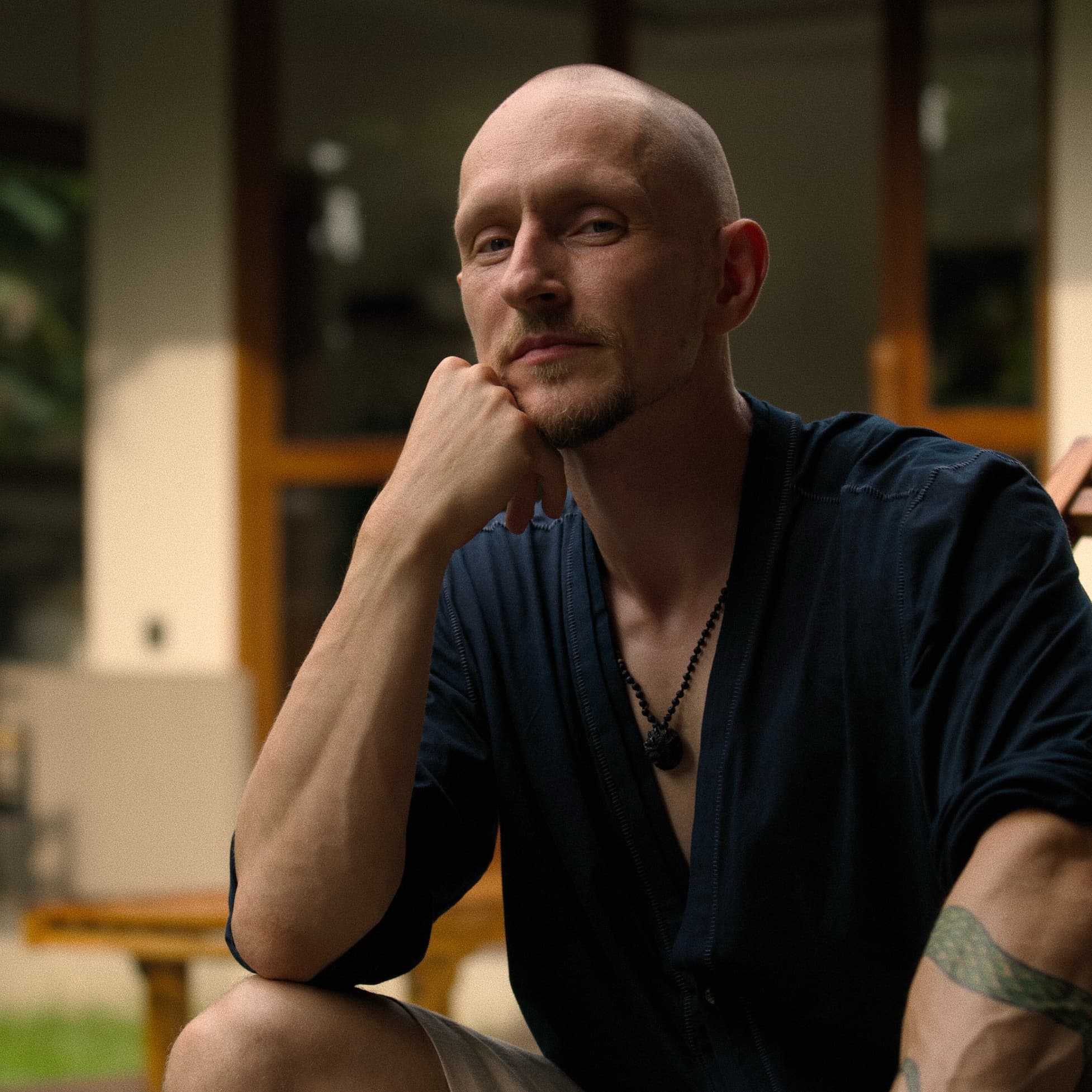
Shane Melaugh
There is a Better Way to Quit.
Stop relying on sheer willpower. Learn the step-by-step psychological framework that makes quitting inevitable.