How to Quit Porn
Quitting porn isn't just about removing one bad habit. It's about understanding what's happening in your brain, and rearranging the conditions around you so that change actually sticks.
Articles
A simple framework for understanding how long term porn use causes harm. It's a matter of what your porn consumption is training your brain to do and how that is misaligned with your true life goals.
Most sleep advice is noise. Two foundational factors account for almost all of your sleep quality — and until you fix those, everything else is a distraction.
Most habit change fails not because of weak willpower, but because the real consequences of your behavior are completely invisible to your brain.
Your brain's rational decision-making goes offline the moment you're triggered. The If-Then Plan solves this by making the decision in advance, in writing, with a sober mind.
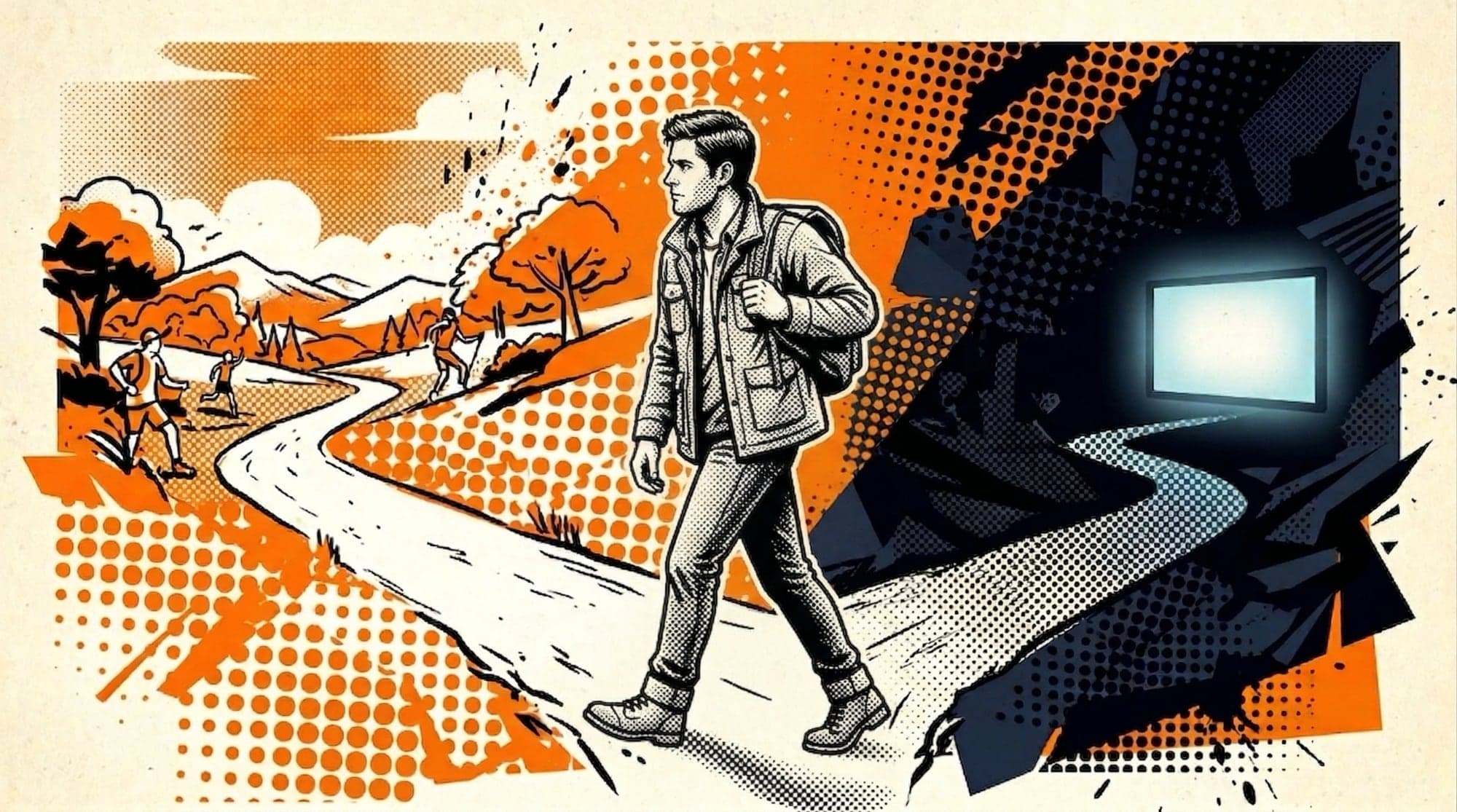
Not all replacement habits are equal. Choosing the wrong one can slow your recovery or secretly replicate the exact conditions that made you addicted in the first place.

NoFap got one thing right: porn is harmful. But its methodology fails most men because it conflates porn with masturbation, amplifies shame, and offers willpower where real understanding is needed.
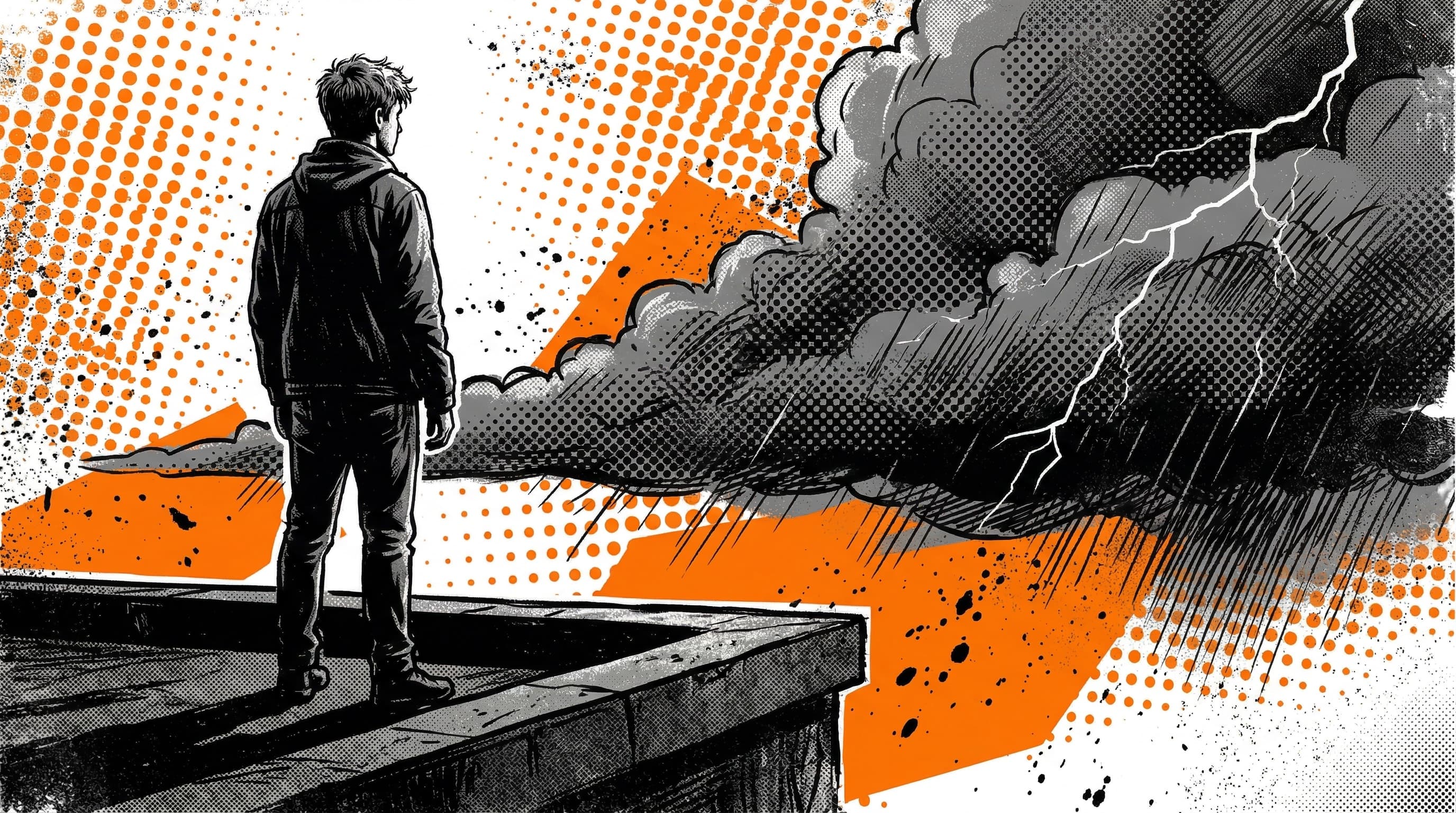
Most men don't recognize they have a porn problem until something catastrophic happens. These two early warning signs let you see it coming before you hit the wall.
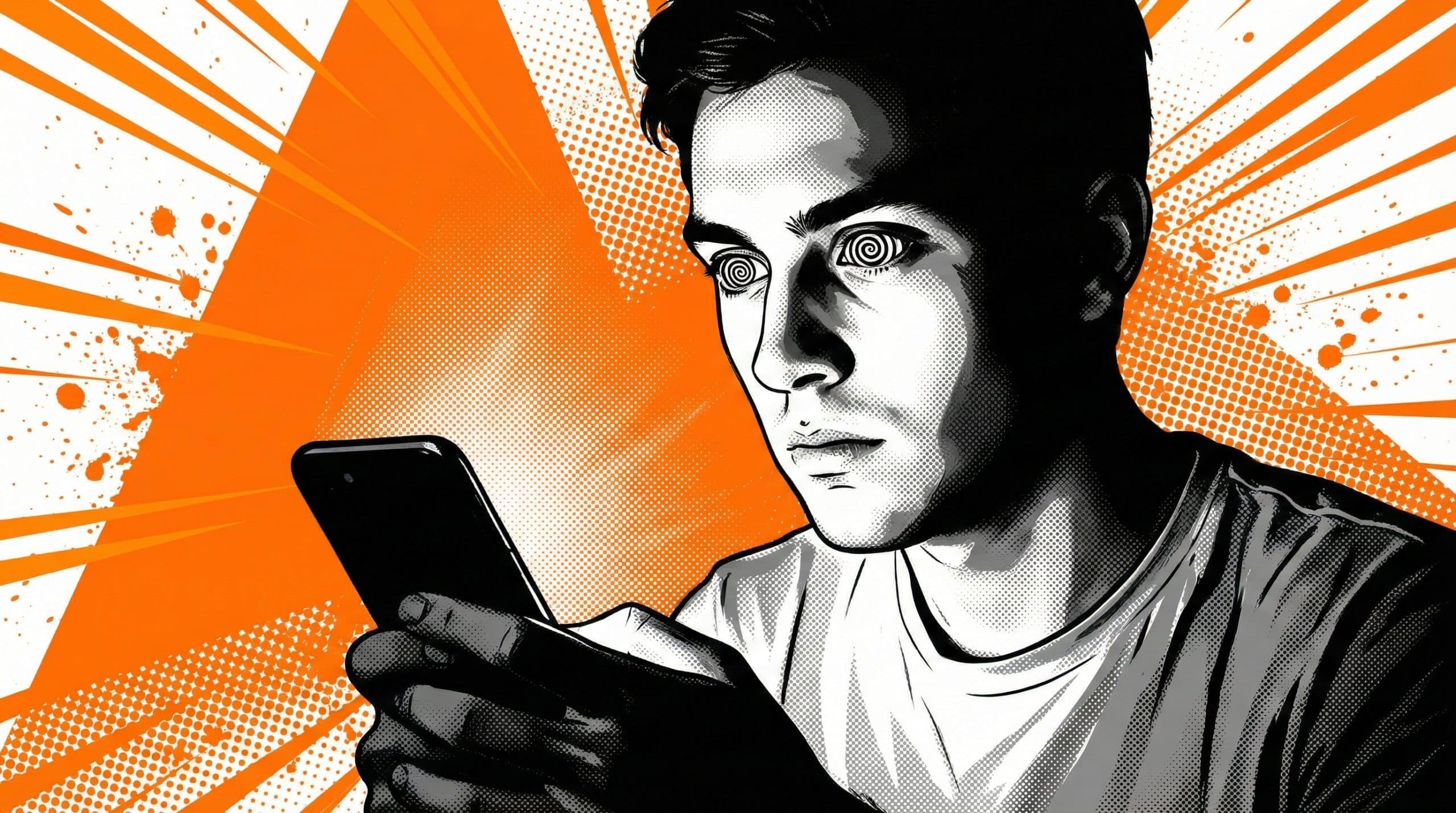
Instant gratification is silently destroying a whole generation's drive, motivation and ability to fully engage with life.
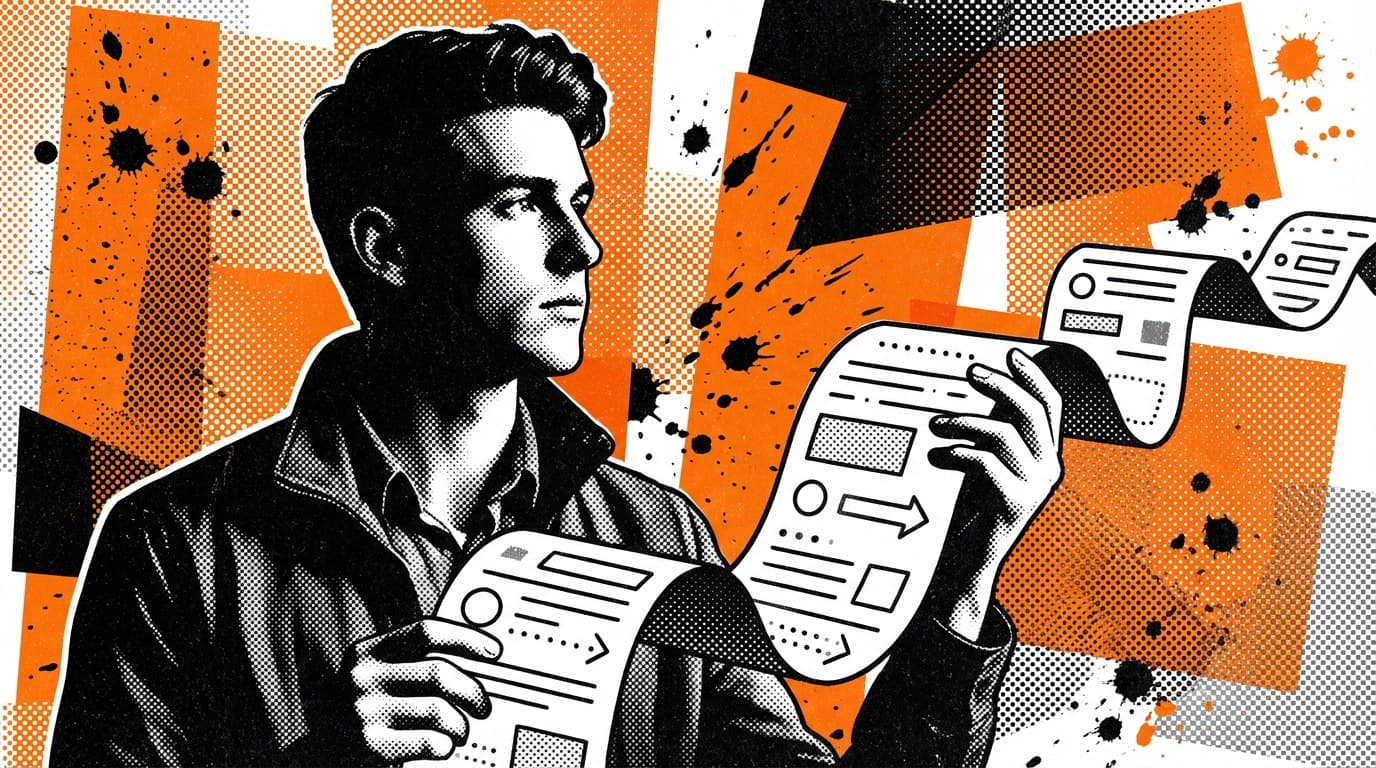
A comprehensive list of all the possible options you can deploy when an urge strikes.
Free Training
Stop the Relapse Cycle & Quit for Good
Subscribe to get free access to this mini-course and all my free resources to help you quit.
From the Podcast
Here are some of our top podcast episodes related to changing your habits and rewiring your brain:
Why Most Quit Attempts Fail
Most men approach quitting porn the same way they'd approach uninstalling an app. They decide they're done, delete it, and wait to feel better. Then the urge comes back. They relapse. Then they feel worse than before.
The problem isn't willpower. The problem is that porn hooks into your brain at a neurological level, not just a behavioral one. Chronic use leads to what's called hypofrontality: less gray matter density in the prefrontal cortex, which is the part of your brain responsible for long-term thinking, self-regulation, and sound decision-making. At the same time, the more impulsive, reactive parts of the brain get reinforced.
So you're not fighting a bad habit. You're fighting a brain that has been structurally shaped to make the habit feel automatic. That's why trying to simply remove the one bad behavior rarely works on its own. It misunderstands what you're actually dealing with.
The Two Sides of the Habit Problem
There are two things that need to happen on the habit and neurological level. One is stopping the compulsive behavior of always reaching for porn. The other is building the habits that actively work against addiction.
This second part is underrated. Certain activities are almost the direct neurological opposite of addictive behavior. Physical movement, especially complex movement that challenges your coordination and skill. Learning something genuinely difficult. Spending real time with other people. These aren't just vaguely healthy. They directly strengthen the prefrontal cortex, increase brain plasticity, and accelerate the rewiring process.
There's a version of you who tries to quit but still spends most of your time indoors, alone, and screen-bound. That version has a much harder time. There's another version who moves more, socializes more, and challenges himself with things he's actually curious about. That version has a radically different experience of this whole process. The difference between them isn't discipline. It's what they spend their time doing.
Environment Matters More Than Willpower
Most people try to quit by changing their behavior while leaving their environment, routines, and social habits exactly the same. Then they're surprised when nothing changes.
Your environment shapes what feels possible. The cues that trigger the habit, the situations that make it easy, the social context that normalizes it: these all need to change if the behavior is going to change. That doesn't mean you have to overhaul your entire life at once. It means asking: what would the environment of the person I want to be look like? And then starting to build that environment now, even imperfectly.
Small changes here can do more than large amounts of willpower applied to an unchanged life. Change your environment and you change what's automatic. Change what's automatic and the whole process gets easier.
The QuitByHealing Approach to Habits
The QbH view on habits is that quitting is a rearrangement, not just a removal. You're not just trying to uninstall one bad habit. You're trying to reconfigure how you spend your time, how you live in your body, and who you spend your time with, in a way that reflects the person you're choosing to become.
This makes the process more demanding in one sense. But it also makes it more sustainable. Because you're not white-knuckling against a void. You're building something. And every step in that direction, every habit you replace, every environment you reshape, makes the next step a little easier.
Ready to go deeper?
There is a better way to quit.
Stop relying on sheer willpower. Learn the step-by-step psychological framework that makes quitting inevitable.
Explore the Program