Heal Your Brain from Porn Addiction
You can learn all the behavioral hacks and still keep relapsing. That's because there's something going on underneath the addiction that the hacks don't touch. These articles are about finding and healing that thing.
Articles
Urge surfing is a proven technique for overcoming addiction, but applying it to porn requires solving a specific problem that most instructions skip entirely.
Your body and mind already have a natural tendency toward health. Healing isn't about adding effort. It's about removing interference. The most powerful intervention available is doing nothing: stopping the constant input and stimulation that keeps you swimming upstream.
Erectile dysfunction in young men is usually not one simple porn problem, but porn can be part of a larger pattern involving conditioning, anxiety, lifestyle, and health.
Most men treat their sexual energy like a dangerous dog that needs to be caged. That's exactly why they keep relapsing.
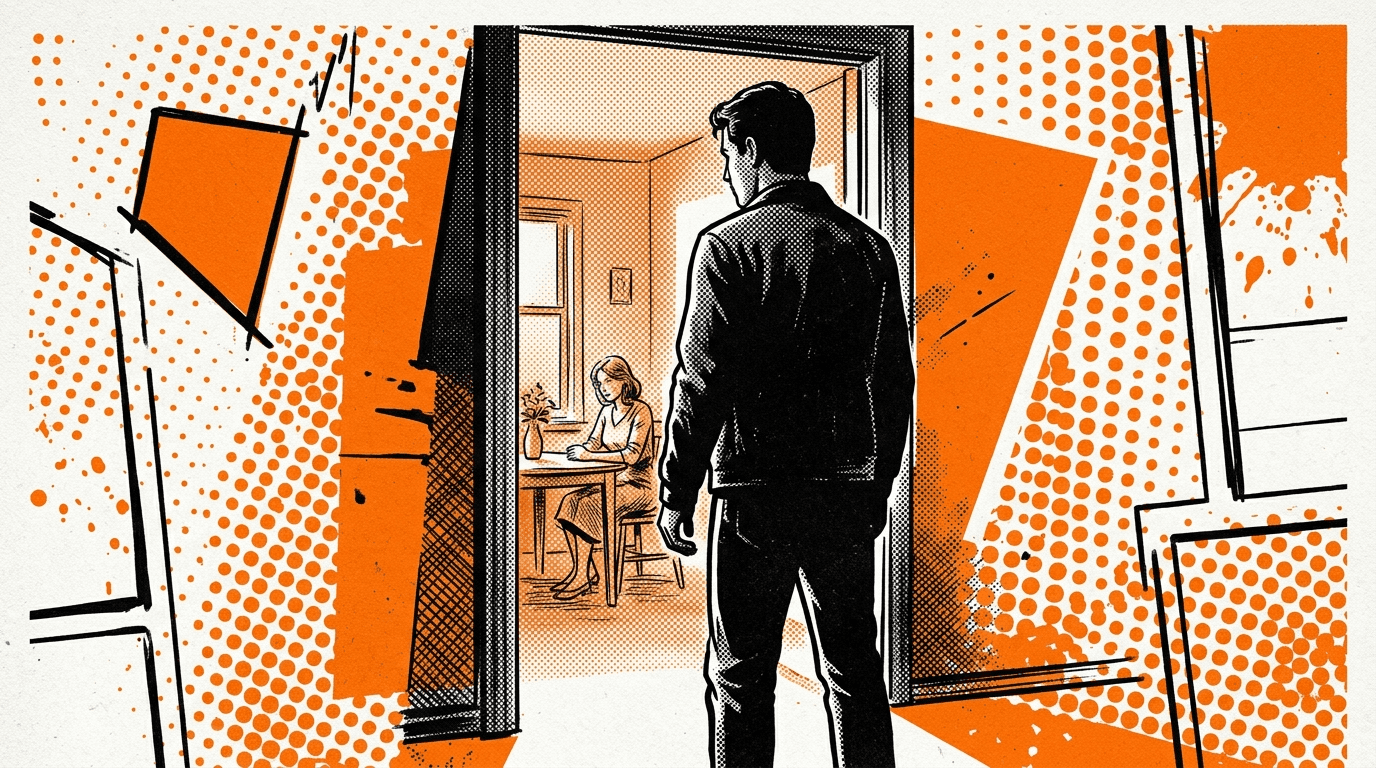
Quitting porn while in a relationship introduces challenges that single guys never face. But if you do this right, you'll come out of it with a stronger relationship and a better sex life than you've ever had.
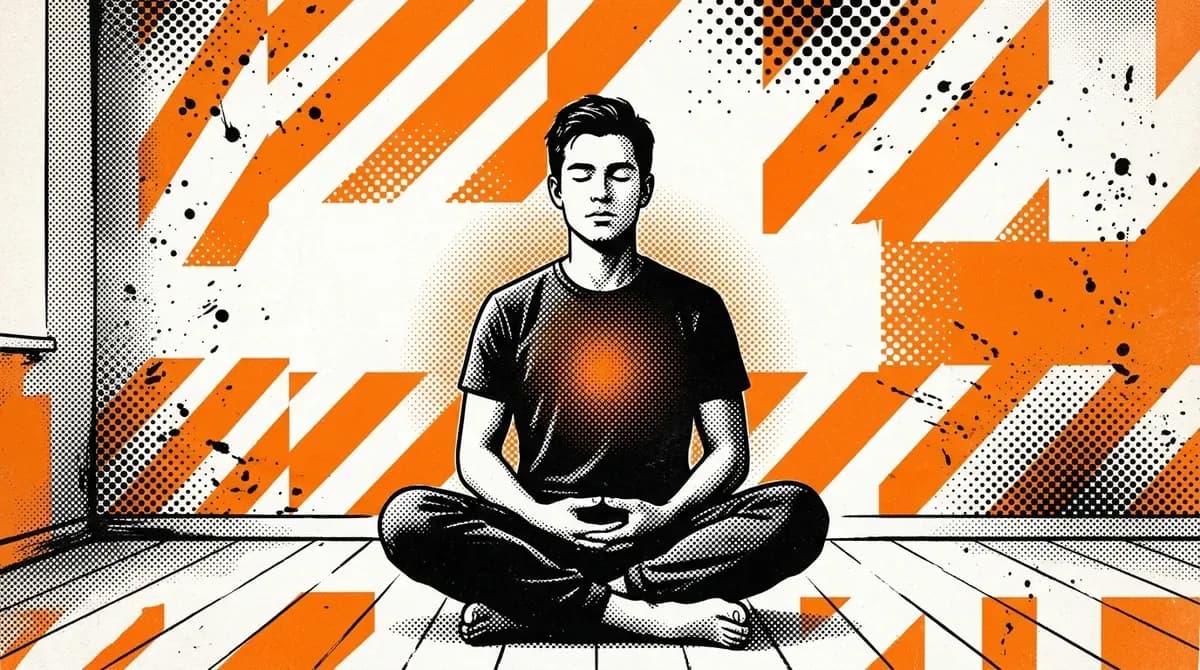
The urge to relapse isn't overwhelming. It just feels that way. Sitting in the Fire is the technique that proves it — and turns one of the hardest moments in recovery into something you can actually learn to enjoy.
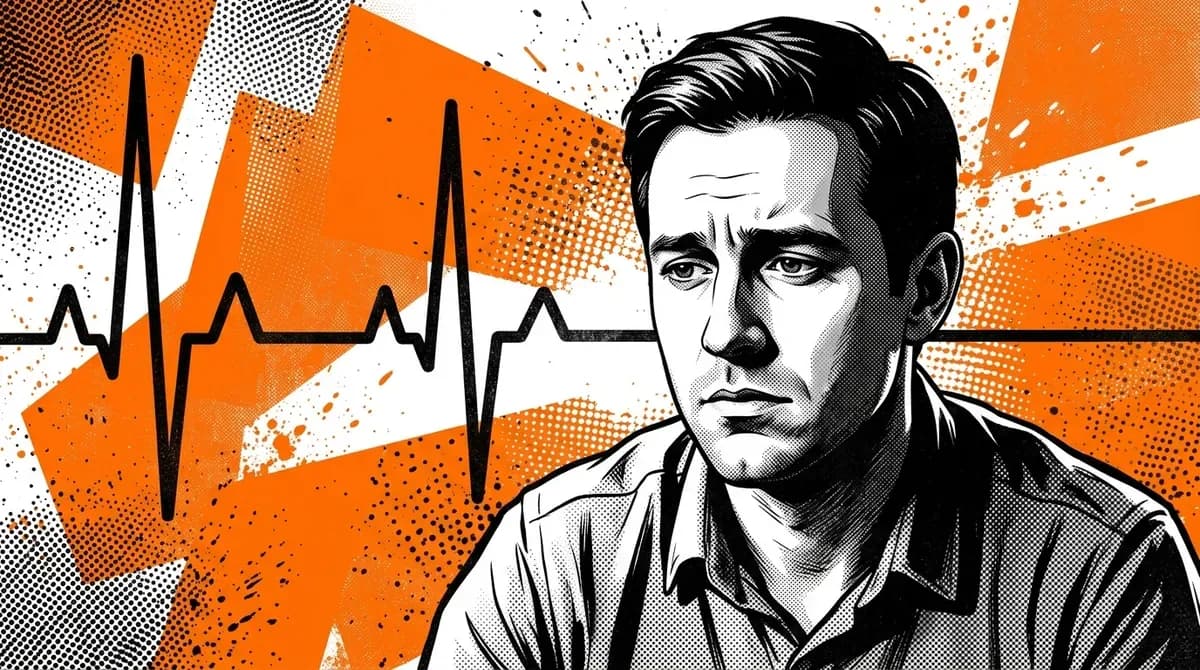
The flatline feels like something is broken. It's not. It's your brain doing exactly what it needs to do to heal.
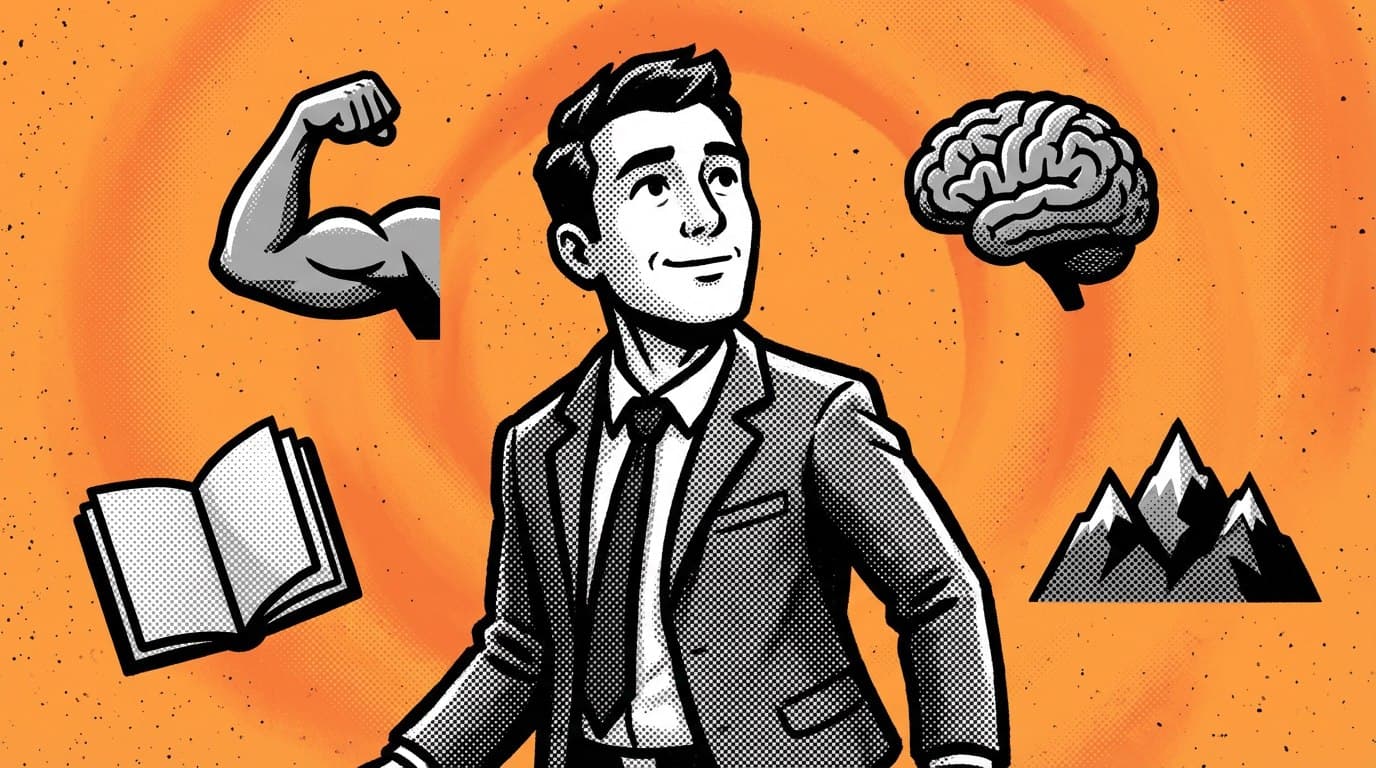
The difference between quitting porn and healing from porn addiction is profound. Quitting feels like holding back a dam. Healing feels like the river changing course entirely.
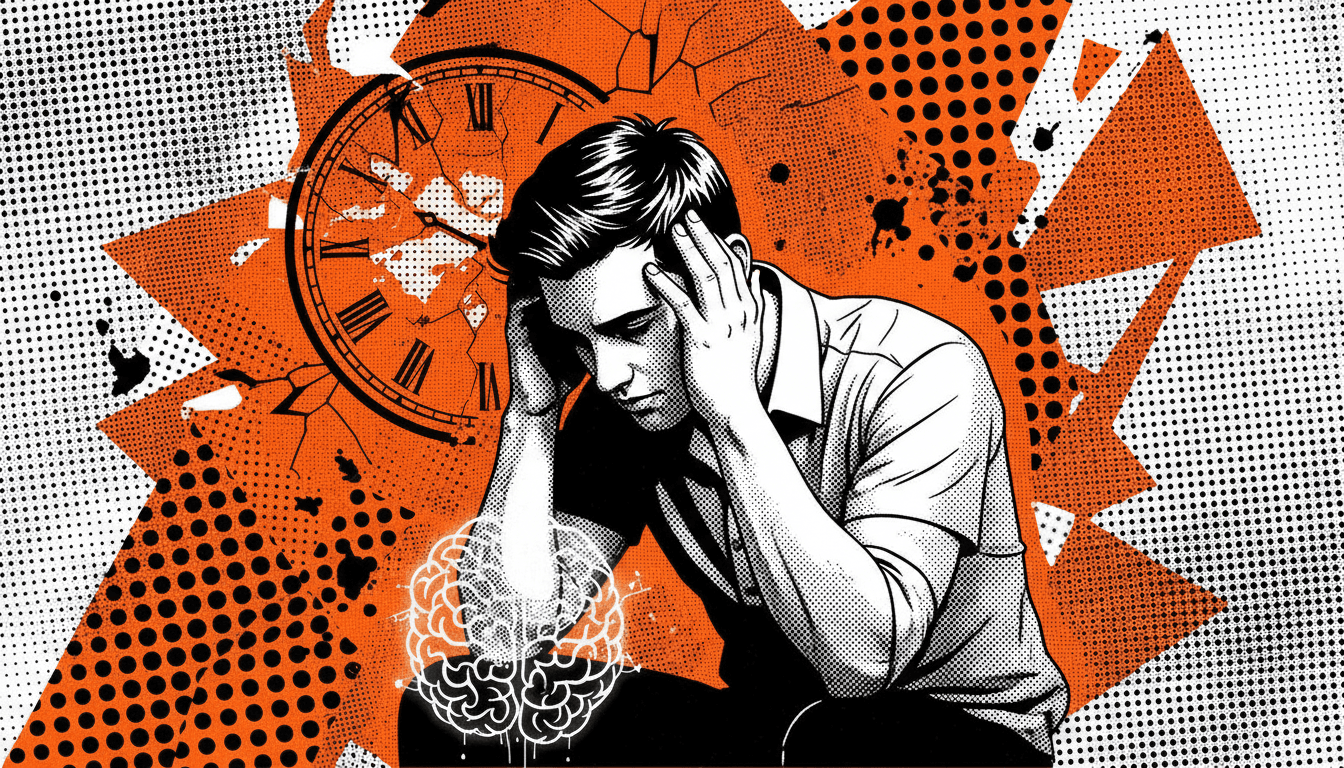
Brain healing from porn addiction takes 30+ days minimum, but the exact timeline depends on your starting point and recovery strategy. The real insight? Stop counting days and commit for life.
Free Resource
Discover the Power of Shadow Work
6 lessons on the shadow work practices that actually resolve the root cause of porn addiction.
From the Podcast
Episodes on getting to the root cause of addiction and doing the deeper healing work:
Where QuitByHealing Parts Ways With Most Approaches
Most approaches to porn addiction treat it as a behavioral problem. You use porn too much, so you need to stop using porn. You need better habits, app blockers, accountability, maybe therapy. And if you do all of it right, eventually you stay quit.
The trouble is that a lot of men do all of it right and still keep relapsing. They learn how the habit works neurologically. They install the blockers. They do the accountability check-ins. And they still end up back at the same place, frustrated, confused, wondering what they're missing.
What they're missing is that the habit is a symptom. There is something going on underneath it that the behavioral tools don't reach. This is where QuitByHealing separates from most of the NoFap and habit-change approaches. Not by ignoring the neurological and behavioral elements, but by recognizing that in most cases, they aren't the full story.
Addiction as a Symptom
The most useful reframe is this: instead of saying my problem is that I'm addicted to porn, ask what the porn addiction is a symptom of.
All addictive behaviors have something in common. They are effective at distracting you and numbing you. Porn, video games, doom-scrolling, binge eating: these all work by successfully getting your attention off something that was uncomfortable. They're coping mechanisms. They developed because there was something that needed to be coped with.
For most men, that something is an emotional experience they've learned not to let themselves have. Anger they were never allowed to express. Sadness that felt like weakness. Shame around their sexuality. A sense of failure or lostness they don't know how to sit with. When those feelings start to surface, the rule in the psyche says no, not this, and the hand reaches for the phone.
This is why the whack-a-mole pattern happens. A man successfully quits porn and finds himself suddenly eating compulsively, or glued to his phone in a different way, or reaching for alcohol more than he used to. He pressed down one outlet for the coping mechanism and it popped up somewhere else. The underlying pressure is still there.
What Healing Actually Involves
Healing, in the QbH sense, means going toward the things you've been avoiding rather than away from them. The feelings that have been driving the escape behavior need to be felt, not suppressed harder.
This is deeply counterintuitive, especially for men who've spent years managing these feelings by not having them. But emotional pain works differently from physical pain. Physical pain signals injury: avoid this. Emotional pain signals something that needs to be processed. Avoiding it doesn't resolve it. It keeps it in place, under pressure, looking for an outlet.
The practices that work are ones that create a safe container for feeling. Shadow work, in the Jungian sense, is looking at the parts of yourself you've been disowning: the anger, the shame, the fear, the grief, and learning to include them rather than suppress them. Somatic practices bring attention into the body, because that's where emotions actually live. Introspective writing turns what was vague and pressurized into something visible and workable. Parts work lets you get curious about the addicted part of you rather than just fighting it.
Meeting Yourself Differently
A lot of the healing work is about doing the opposite of what you've been doing reflexively. And the most important place that shows up is in how you relate to yourself when you relapse or struggle.
Most men respond to relapse with something close to contempt. What's wrong with me. I'm too weak. I've failed again. That feels like accountability, but it isn't. Contempt doesn't help you change. It creates more shame, which creates more need for escape, which makes the next relapse more likely.
What actually helps is something most men have very little experience with: meeting yourself the way you would meet a young version of yourself who was struggling and scared. With patience. With understanding. With actual warmth. This isn't soft or self-indulgent. It's one of the most difficult and most transformative things a man can learn to do.
The healing practices at QbH, whether shadow work, introspective writing, or somatic meditation, all involve sitting with that wounded part of yourself and learning to be present with it instead of running from it. That's where the real change happens. And it's available to anyone willing to stop running.
Ready to go deeper?
There is a better way to quit.
Stop relying on sheer willpower. Learn the step-by-step psychological framework that makes quitting inevitable.
Explore the Program