
I need to tell you something that’s going to piss you off.
You know how everyone talks about quitting porn like it’s the magic bullet? Like the moment you hit 30 days clean, your life transforms into some kind of superhero origin story?
Yeah, that’s bullshit.
Here’s the bitter pill: quitting porn is not enough.
TL;DR: Porn is the hardest digital drug in an economy designed to hijack your attention. Simply quitting without replacing it with intentional activities is like an alcoholic switching from vodka to beer — you’re still addicted, just to something slightly less potent.
Why “Just Quit” Doesn’t Work
Let me paint you a picture. There’s this guy who watches maybe 30 minutes of porn a day. Not extreme by today’s standards, right? He finally admits it’s a problem and decides to quit.
Let’s say he gets lucky and manages to get to 30 days clean with sheer willpower. And then… nothing.
His life doesn’t magically get better. He’s still anxious. Still lonely. Still scrolling his phone for hours.
No sudden boost to his confidence levels. No productivity superpowers unlocked. And he still can’t get a date to save his life.
Want to know why? Because he replaced his 30 minutes of porn with 30 minutes of TikTok. Or Instagram. Or Reddit.
It’s like trading hard liquor for beer and calling yourself sober.
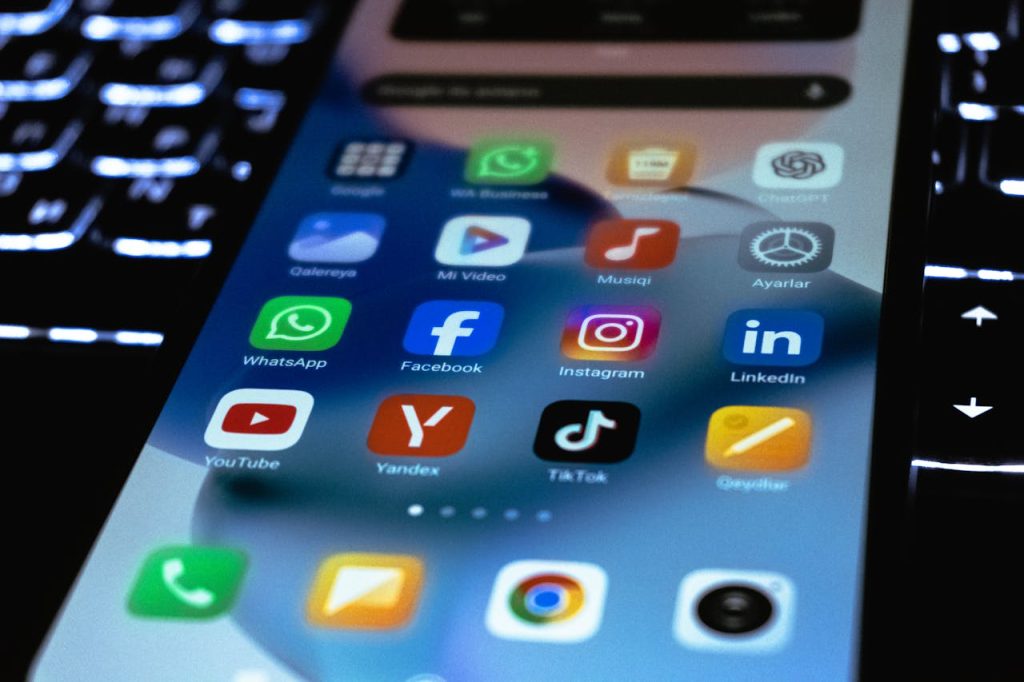
The problem was never just porn. Porn is simply the hardest among many digital drugs. Everything in the attention economy is designed to hijack the same neural pathways. Social media, video games, endless YouTube spirals: they’re all milder versions of the same addiction.
When you quit porn but keep feeding the underlying dopamine dysfunction, you’ve squandered the opportunity.
What’s Really Happening in Your Brain
Here’s how the cycle works: You use porn, it spikes your dopamine, you feel good for maybe 20 minutes, then you crash below your baseline. You feel slightly worse than before you started.
Your brain remembers that porn made the bad feeling go away, so when you feel that dip again, you reach for porn. Another spike, another crash. And so it goes.
Research on the neurobiology of addiction shows how chronic exposure to artificial rewards triggers neuroadaptations that reduce your brain’s natural dopamine production and receptor sensitivity.
This isn’t just happening with porn. It’s happening with every digital drug you consume. The endless scroll. The notification hits. The binge-watching sessions. You’re training your brain to need artificial stimulation just to feel normal.
Meanwhile, the activities that create genuine well-being feel boring by comparison. Things like exercise, learning, creating something, having real conversations. It all feels too complicated and not stimulating enough.
Your dopamine system is so jacked up that real life can’t compete with the screen.
The Opportunity You’re Missing
Most guys approach porn addiction like it’s an isolated problem to eliminate. Get rid of the bad thing, wait for life to improve. But that’s not how this works.
Porn addiction is actually a massive opportunity for self-mastery. Think about it: if you can overcome the hardest digital drug, you can master anything. But only if you approach it correctly.
Here’s what I mean:
Learning Your Own Psychology
When you pay attention to your urges instead of just fighting them, you start to see patterns. What triggers you? Stress? Loneliness? Boredom?
Develop this level of self-awareness and it will serve you in every area of your life.
Developing Real Discipline
Not the white-knuckle, willpower-burning kind. The kind where you understand your mind well enough to redirect it before the urge even builds momentum.
Beating an addiction teaches you to “sit in the fire” of your discomfort. And that just so happens to be the key to success in almost anything.
Designing an Intentional Life
When you remove the easy dopamine hits, you’re forced to find fulfillment in the real world. You have to build a life worth living instead of escaping from one that isn’t.
I’ve written a full breakdown of how this works here: The 3 Key Insights that Changed My Life
The Difference Between Junk Dopamine and Healthy Dopamine
Not all dopamine is created equal. There’s junk dopamine and healthy dopamine.
Note: I’m using “dopamine” colloquially here. The term is often misused but instead of going on a tangent, I’m just going to lean into it for now.
Junk dopamine comes fast and intense: porn, social media, video games, junk food. It spikes hard and crashes harder. You need more and more to feel the same effect.
Healthy dopamine is earned: finishing a workout, learning a skill, creating something, connecting with someone you care about. It builds slowly and sustains longer. It makes you feel genuinely good about yourself.
Every time you replace a “junk dopamine” with a “healthy dopamine” activity, that’s a huge win! The more you do it, the richer you life becomes.
What Actually Works
Here’s the framework that creates lasting change:
Replace, Don’t Just Remove
For every digital drug you eliminate, consciously replace it with something that serves your growth. Porn time becomes workout time. Social media scrolling becomes reading time. Netflix binging becomes skill-building time.
I’ve compiled the ultimate list of healthy replacement habits that actually build your life instead of destroying it.
Address the Underlying Wound
Ask yourself: what am I trying to escape from? Loneliness? Stress? Shame about your sexuality? The porn was just the medication. Heal what you were medicating.
I called this project QuitByHealing because this is where the real magic happens. It’s not just managing an addiction or even eliminating it. It’s about healing and real growth.
Build Real-World Dopamine Sources
Create a life so engaging that artificial stimulation can’t compete. This means:
- Physical challenges that make you stronger
- Creative projects that give you pride
- Social connections that make you feel seen
- Learning that expands your capabilities

Why This Feels Harder Than “Just Quit”
Because it is harder. And that’s exactly why it works.
The “just quit” approach appeals to the part of you that wants a simple solution. Remove the bad thing, problem solved. But that same mindset (looking for the easy way out) is exactly what got you addicted in the first place.
The deeper approach requires you to take responsibility for your entire life, not just your porn consumption. It means admitting that the addiction was a symptom of something larger that needs healing.
Most people aren’t ready to hear this because it means more work, not less.
The Reality Check You Need
If you’re a virgin or haven’t had sex in months (or years), and you think your porn use is “harmless,” you’re living in denial. You’ll only discover how much it’s affected you when you try to be intimate with a real person and can’t get aroused or maintain an erection.
If you’re married and risking your health, career, and family for increasingly extreme content or real-world acting out, denial isn’t an option anymore.
The question isn’t whether porn is affecting you. The question is: are you ready to use this challenge as a catalyst for becoming the man you’re capable of being?
What’s on the Other Side
When you approach porn addiction as an opportunity for total life transformation, everything changes. You don’t just quit a bad habit, you build a life so fulfilling that the addiction becomes irrelevant.
You develop the tools to master your mind, understand your psychology, and create sustained well-being. You replace the quick hits with lasting satisfaction.
Understanding the three stages of recovery helps you see this as a complete transformation process, not just elimination of a bad habit.
But here’s the thing: you have to take responsibility for your life. It’s not enough to just quit porn and wait for the magic to happen. That’s not how it works.
The bitter pill is that there’s no shortcut. But the opportunity is that you don’t need one.