
I need to tell you about Joey.
Joey discovered porn when he was 12. Like most kids, he stumbled across it online and thought he’d hit the jackpot. Free, endless, incredibly stimulating content that felt better than anything else in his world. He started watching before bed every night. Why wouldn’t he? It felt amazing, it was private, and he couldn’t see any downside.
Six years later, Joey got his first girlfriend. At first, things seemed fine. But when they tried to have sex, he couldn’t really enjoy it. He struggled to keep his erection. He found that he had to imagine porn scenes in his mind to try and stay aroused…
Joey had no idea these two things were connected. He’d been training his brain to associate sexual arousal with a very specific scenario: alone, with a screen, getting hyper-stimulation from an endless variety of “partners”. His brain literally couldn’t get aroused by the “boring” reality of one real person in front of him.
This is just a glimpse at what I call the hidden dopamine problem. And it’s affecting hundreds of millions of people who have no clue it’s happening.
Why Don’t Most People See the Connection?
The gap between cause and effect makes this problem invisible. When Joey started watching porn at 12, there were no immediate consequences. It felt good. It was fun. It became a pleasant daily ritual.
For six years, his brain was quietly rewiring itself, but there was no feedback loop telling him something was wrong.
The same thing happens with social media, ultra-processed junk food, or any other source of instant gratification. You scroll Instagram for dopamine hits throughout the day. You sip your favorite energy drink. You binge YouTube videos. In the moment, it feels harmless. Pleasant, even.
Plus, everybody else is doing it. It’s completely normal behavior. So why would you worry about it?
But what you’re actually doing is putting yourself on a dopamine roller coaster.
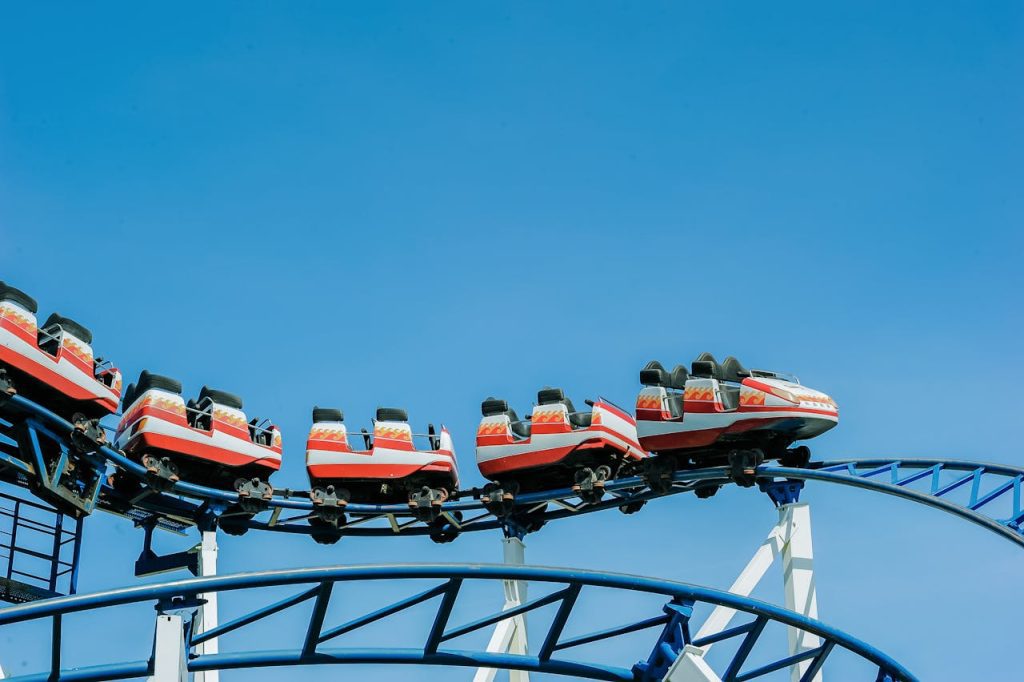
What Happens When You’re on the Dopamine Roller Coaster?
Your motivation chemical gets hijacked by artificial highs and crashes. Dopamine isn’t just the “feel good” chemical. It’s your motivation chemical.
It’s what drives you to seek things, to pursue goals, to feel excited about life.
When you hit an instant gratification source, you get a massive dopamine spike. Higher than anything you’d get from real-world activities. But here’s what nobody tells you: what goes up must come down.
After that spike, your dopamine crashes below your baseline. You feel flat, unmotivated, slightly depressed. So what do you do? You reach for another hit. More porn, more scrolling, more snacks.
Each cycle trains your brain that the only way to feel good is through these artificial sources. Meanwhile, your baseline dopamine gets lower and lower. Real life starts feeling boring, gray, pointless.
Why Does This Turn You Into an Unmotivated Consumer?
Chronic dopamine depletion destroys your drive to pursue anything requiring effort.
Let’s get back to the story about Joey. He’s now 19 years old and single.
Despite the issues he faced in his first relationship, he wants a girlfriend again.
He goes on dates, but they never lead to a second date. He can’t figure out what’s wrong with him.
Here’s what’s actually happening: Joey spends his free time consuming. Porn, social media, video games. He’s in a chronically dopamine-depleted state, which means he has no drive to pursue anything that requires effort. He doesn’t go to the gym because it feels like too much work. He doesn’t develop hobbies because they seem boring compared to his screen-based activities. He doesn’t pursue career goals with any real intensity.
Joey is shaping himself into a “consumer boy”. He’s stunting his own development and he’s not really doing anything that would lead him from boyhood to manhood. He’s not building anything, creating anything, or developing himself in any meaningful way.
And women can sense this immediately. A big reason Joey struggles with dating isn’t about what he does or says on those particular dates. It’s about what he’s doing with the rest of his life.
I’ve written about how to replace consumption with creative and skill based habits in depth, because this shift is fundamental to recovery.
But there’s another layer to Joey’s problem that makes this even worse.
How Does Porn Rewire Your Brain to Objectify People?
Years of pornography consumption changes how you see other people on a subconscious level.
When your primary exposure to sexuality is through porn, you start viewing real people through that lens. In porn, the women you see are objects for your gratification rather than full human beings with their own inner worlds. And unfortunately, research shows that this attitude also affects how you see real women, in real life. You develop what I call “porn brain”: a mindset of objectification and unrealistic expectations.
This seeps into every interaction. Women pick up on it immediately. They can sense when someone sees them as a dispensable object rather than a person worth knowing.
Most women can’t tell exactly what is turning them off. It’s not like she meets you and thinks “this guy is a porn addict”. But she feels something is off. She gets a creepy vibe from you, even if you’re not being overtly inappropriate.
So Joey can’t get second dates not just because he lacks drive and purpose, but because his entire way of relating to women has been warped by years of consumption.

How Deep Does the Suffering Have to Get?
We’ve seen how instant gratification leads to all kinds of problems, creeping into all areas of your life. Here’s the tragic part: this can go on for years. Decades, even.
Joey might spend his twenties wondering why he can’t maintain relationships, why he feels unmotivated, why life feels so meaningless and difficult. He might develop depression, anxiety, a deep sense that something is fundamentally wrong with him.
The whole time, the solution is relatively simple: remove the dopamine dispensers that are keeping him in this depleted state.
But most people never make the connection. They treat the symptoms: the depression, the relationship problems, the lack of motivation. They never address the root cause.
How deep does the suffering have to become before you realize something needs to change?
This is part of the reason I started QuitByHealing: I’m trying to get this message out there and reach people like you before you reach the rock bottom of suffering.
The Solution: Remove and Replace
The path out of this isn’t complicated, but it is counterintuitive.
Most people try to force themselves into healthy activities while still consuming the dopamine dispensers. They try to go to the gym while still watching porn daily. They try to build social skills while still scrolling social media for hours.
This doesn’t work because your dopamine system is still hijacked. Healthy activities feel boring and pointless compared to the artificial highs you’re used to. Life feels like a chore. And you end up blaming yourself for not being good enough or disciplined enough to stick with your good habits.
The solution is: remove first, then replace.
Step 1: Remove the Dopamine Dispensers
Eliminate or drastically reduce:
- Pornography
- Excessive social media use
- Video games (if they’re consuming hours of your day)
- Ultra processed foods
- Any other instant gratification sources that provide easy dopamine hits
Counterintuitively, it’s easier to completely remove these dopamine sources than trying to reduce your consumption. You can even go all out and do the SPARTAN MODE challenge.
Step 2: Replace with Natural Dopamine Sources
Once you’ve removed the artificial sources, introduce activities that provide natural, sustainable dopamine:
- Physical exercise (gym, sports, hiking)
- Learning and skill development (reading, courses, hobbies)
- Social connection (real conversations, not digital interactions)
- Creative pursuits (writing, art, building something)
- Adventure and exploration (travel, new experiences)
Here’s the rule of thumb: any activity that your ancestors from 100s or 1,000s of years ago would recognize is likely to have a healing effect on your brain. These are “primal activities”. They are generally slower and more effortful than anything you can do on a screen, but they are also much more deeply gratifying.
The beautiful thing is that within weeks of removing the artificial sources, these natural activities start feeling genuinely rewarding again. Your drive comes back. Your motivation returns. Life starts feeling colorful instead of gray.
Understanding the habit loop is crucial here, because you need to replace the trigger-routine-reward cycle, not just eliminate it.
How Many of Your Life Problems are Instant Gratification Problems?
I’ve seen this transformation hundreds of times. Men who were stuck in the consumer mindset, struggling with motivation and relationships, completely turning their lives around once they understand this dopamine dynamic.
They develop genuine confidence because they’re actually building something worth being confident about. They become attractive to women because they’re no longer seeing them through the porn brain lens. They feel excited about life because their dopamine system is functioning the way it’s supposed to.
The version of yourself that exists after you’ve reset your dopamine system will be unrecognizable to who you are now.
Most of us are flying blind when it comes to understanding how our daily habits are shaping our brain chemistry, our motivation, and our ability to connect with others.
If you’re struggling with motivation, if relationships feel difficult, if you’re not becoming the man you want to be, it’s worth asking: could this be a dopamine problem?
The beautiful thing about this framework is that it’s testable. Remove the instant gratification sources for 30 days and see what happens to your drive, your mood, your relationships.
What do you have to lose except the very things that are keeping you stuck?
For a complete roadmap through this process, check out the QuitByHealing Program, which teaches you exactly how to quit porn and reinvent yourself in 21 days or less..