We Need to Stop With the Man-Shaming...
Shane Melaugh
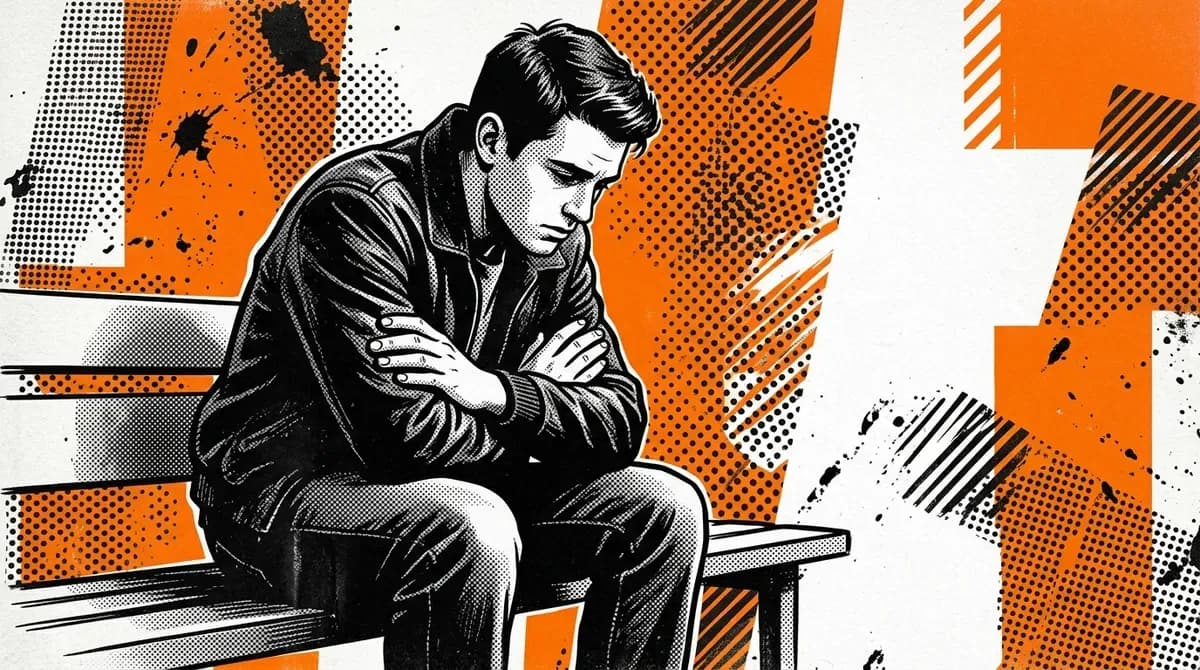
I remember the exact moment I first got the feeling that my desire was wrong.
I was maybe thirteen. A woman walked past and I noticed her. Just a normal, human moment of noticing. And immediately the internal alarm went off. The shrinking. The voice in my head that said: what's wrong with you.
I didn't know where that voice came from. I just knew it had always been there.
That voice didn't go away when I got older. If anything, it got louder.
TL;DR: Men experience a lot of masculinity shaming. It is usually well meaning, but it backfires. It doesn't reduce predatory behavior. It actively creates it by driving normal male desire underground and into porn addiction. The men most harmed by shame messaging are the least deserving of it, and the shame-to-porn pipeline produces exactly the behavior everyone was trying to prevent.
Remember that Gillette Ad?
Released a few years ago, this ad was widely mocked and defended in equal measure. There's one specific scene that shows the problem I'm talking about today perfectly:

A man feels attraction. He's about to act on it. Another man steps in and physically redirects him. To act the right way.
The message is crystal clear: male desire, when it moves toward expression, is something that needs to be stopped. Managed. Supervised.
That's not a fringe message. That's the cultural mainstream. Boys absorb it early.
"Men are pigs."
"Men only want one thing."
And let's not forget the whole trend of covertly recording guys at the gym and then shaming them on social media for briefly glancing in the direction of a woman.
I'm not saying none of this is valid. Women have had real, genuine, awful experiences with men who couldn't read a room or a no. That's real.
But here's what the conversation always skips:
The Men Most Affected Are the Least Deserving of It
Think about who's actually watching that Gillette ad and feeling the full weight of it.
It's not the guy who doesn't care what people think. It's not the guy who catcalls. It's not the small subset of men who are genuinely aggressive and poorly calibrated. Those guys aren't sitting there absorbing a lesson in shame.
The guys who feel it the sharpest are the sensitive ones. The ones already worried about whether they're being appropriate. The ones who would never do the thing the ad is warning about. They're the primary audience, and they're also the people who least need the message.
The minority of guys who are out there making women uncomfortable are, almost by definition, the ones who don't lie awake worrying about it.
This isn't abstract. I've worked with a lot of men in recovery. The ones drowning in sexual shame are almost always the ones who've never actually done anything wrong. The shame has no relationship to their behavior. It's a leftover from years of cultural messaging that landed on the wrong target.
Understanding how the brain's reward system gets hijacked helps explain why this shame has such staying power. The brain encodes shame-linked associations early and they run deep.
You Can't Shame a Primal Drive Out of Existence
Here's something worth sitting with:
Sexual desire is not a choice. It's not something that can (or should) be walked back with the a public service messaging campaign. It's one of the most deeply rooted biological drives in the human body. It kept our species alive. Evolution spent millions of years making it powerful, persistent, and nearly impossible to ignore.
Shame cannot delete it. All shame can do is change where it goes.
And when desire gets shamed out of its natural expression, out of normal human connection, out of the flirtation and awkwardness and calibration that come with real-world practice, it has to go somewhere. For a lot of men, it goes to the one place where there's no shame at all.
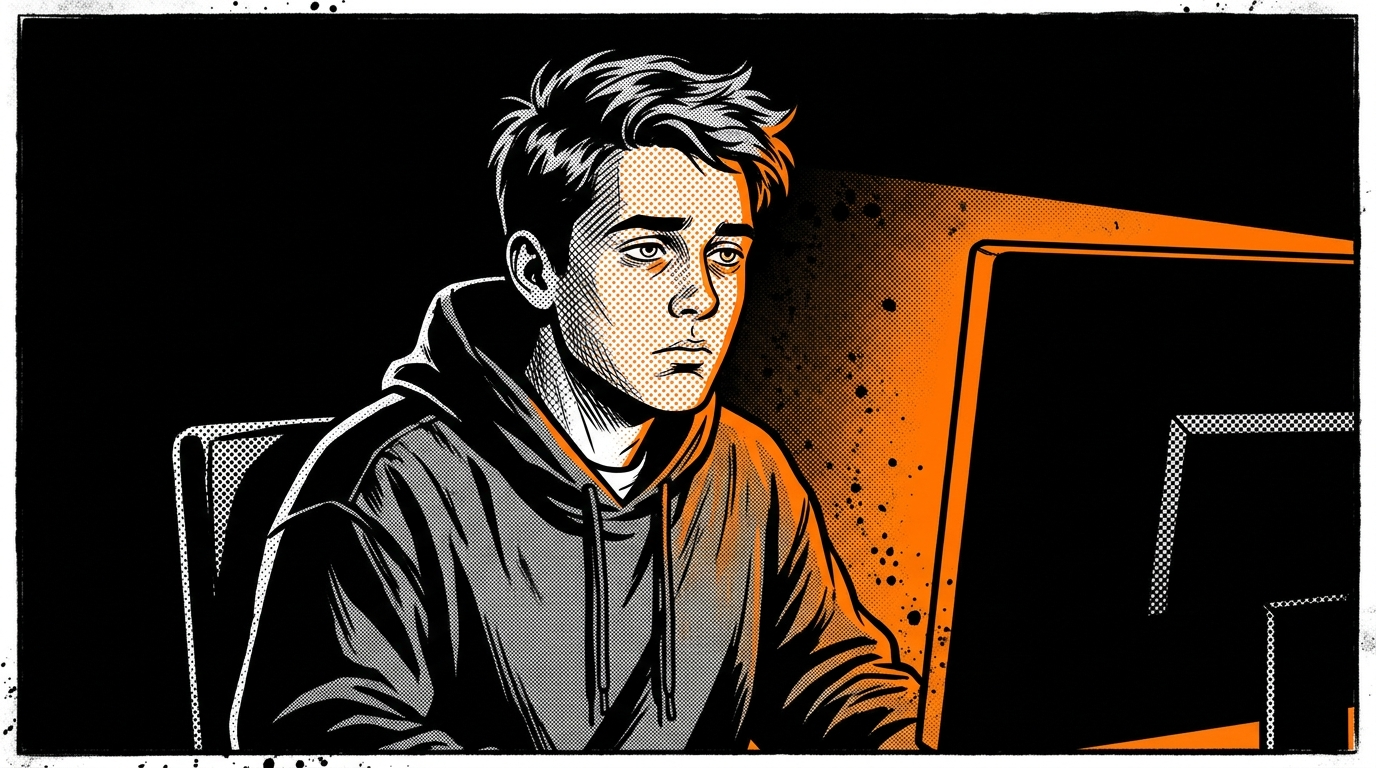
The Shame-to-Porn Pipeline
Porn is, functionally, the opposite of sexual shame culture.
The outside world keeps saying no. Keep it in your pants. That glance is creepy. Your desire makes women unsafe. But log on, and the answer is always yes. Enthusiastically. Immediately. Without negotiation, without awkwardness, without anyone pulling you aside to tell you that you're doing it wrong.
For a man who's been marinating in shame since adolescence, that feels like relief. Of course it does. Any desire that's been suppressed that hard is going to seek the path of least resistance.
What starts as relief becomes habit. What becomes habit becomes addiction. Understanding how habit loops form around compulsive behavior (the cue, the routine, the reward) explains why a progression towards addiction is almost inevitable once the pattern gets established.
And then something important starts to shift.
How the Sensitive Guy Becomes the Problem
Porn addiction doesn't just keep you stuck. It actively worsens the social and psychological traits that made you vulnerable in the first place.
Habitual porn use progressively oversexualizes how you see other people. More things register as sexual. More of your mental bandwidth gets redirected there. You're thinking about sex more, not less, despite all the shame telling you to think about it less.
It's also socially isolating in a specific way that matters here. Every hour spent with a screen is an hour not spent practicing real interactions. Not getting rejected. Not recalibrating. Not learning, through normal human feedback, how to read a room or read a person. The social muscle atrophies.
And resentment can build. Especially when the culture keeps telling you your desires are a problem while simultaneously making genuine connection harder to achieve.
Here's what you end up with: a man who started out sensitive, shame-aware, fundamentally decent. Who got his desire driven underground at a young age. Who found relief in porn. Who developed an addiction that warped his social calibration, oversexualized his attention, and built an undercurrent of grievance toward the opposite gender.
A man who now, ironically, looks a lot like what the shaming was trying to prevent.
This is why I said it's not working. Not for anyone. The feedback loop runs from shame to addiction to the exact behavior that was supposed to be stopped. And the loop repeats.
What You Can Actually Do About This
We can't wait for the culture to get smarter about this. That might take a generation.
What you can do is see the loop clearly. That matters more than people realize. When you understand that the shame you absorbed as a kid is the cause of where you ended up (not a symptom, not a judgment, but the actual origin point) it changes the way you relate to yourself.
Stop Adding Fuel to the Shame Side
Self-shame doesn't help. More of the thing that created the problem won't solve it.
If you're in the shame-to-porn loop, the first move is to stop telling yourself you're broken or wrong or disgusting. That internal voice that says what's wrong with you every time you feel something. That voice is part of the problem, not the solution. The desire isn't the issue. What was done with that desire, by a culture that had nowhere good to send it, is the issue.
One practical tool that helps here is introspective writing. Not journaling in the vague "how was your day" sense. Writing specifically to unpack where your shame came from, when it started, what it's been protecting you from. Getting the material out of your head and onto a page often reveals connections you've never consciously made.
Do the Real Work of Recovery
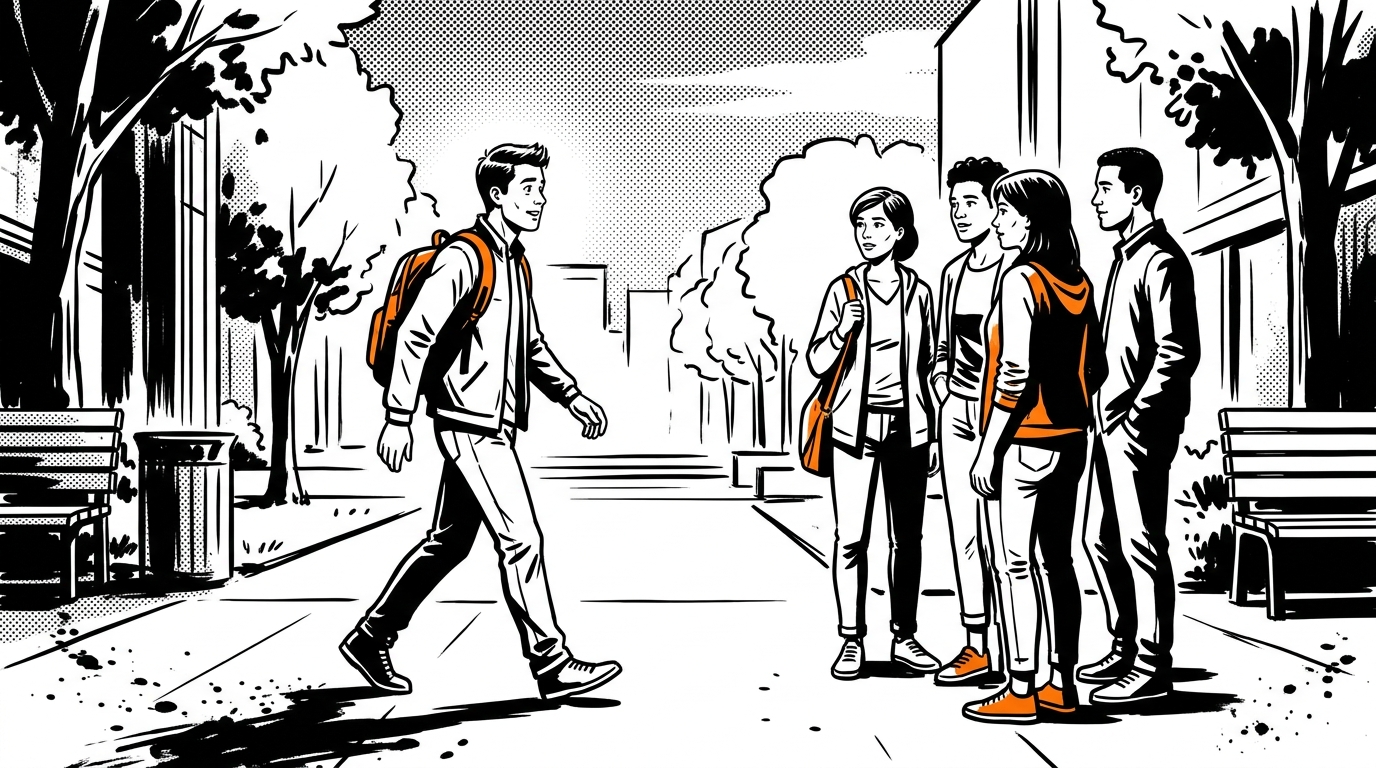
From there, the work is deeper and it's not fast. Learning to express desire in the real world, with real people, with the calibration that only comes from actual practice. This is what healing instead of just managing your addiction actually looks like. Not just stopping the behavior. Becoming someone whose desire has somewhere healthy to go.
That's a longer road. But it starts with something simple: stop treating your desire as the enemy. It was never the enemy. The problem worth solving is what happens when desire has no safe place to land.
Is this something you've felt? The shame that arrived before you ever actually did anything wrong?
About the Author
Shane is a serial entrepreneur with a long-standing obsession for personal development and life optimization. He has a habit of buying more books than he can ever read. During his childhood his worldview was significantly influenced by Jackie Chan movies, the Vorkosigan Saga and the writings of Miyamoto Musashi.

Shane Melaugh
There is a Better Way to Quit.
Stop relying on sheer willpower. Learn the step-by-step psychological framework that makes quitting inevitable.